With air quality becoming a top priority in both urban and industrial settings, the role of skilled air quality technicians has never been more crucial.
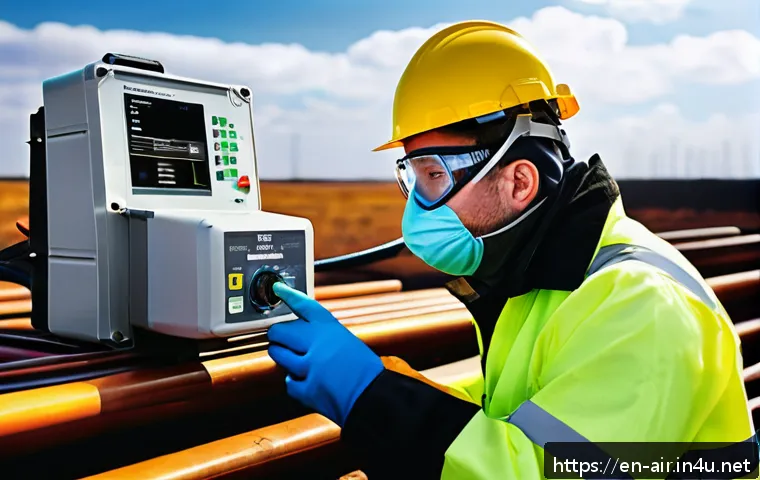
If you’re preparing for practical exams in this field, mastering the right equipment is key to standing out and ensuring accurate assessments. From real-world experience, I’ve found that understanding these tools inside and out not only boosts confidence but also sharpens your ability to diagnose environmental concerns effectively.
In this post, we’ll dive into the essential gear you need to conquer your practical tests and step confidently into your career. Stick around—you don’t want to miss these insider tips that can make all the difference in your exam performance.
Understanding Air Sampling Devices for Accurate Measurements
Choosing the Right Air Sampler for Your Test
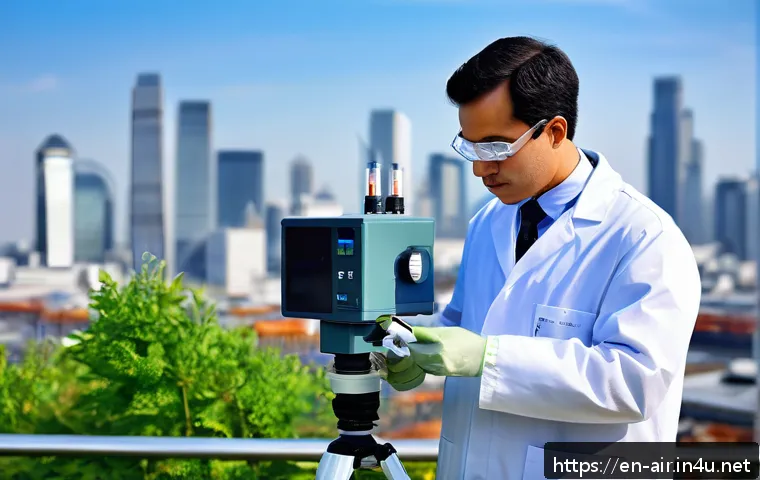
When preparing for practical exams in air quality, one of the first challenges is selecting the proper air sampler. Different samplers are designed to capture various pollutants, so knowing which device fits the test scenario is crucial.
For example, a high-volume air sampler works great for particulate matter, while a low-flow personal sampler might be better for volatile organic compounds.
I’ve personally found that testing each sampler before the exam helps me get a feel for their handling quirks and operational settings, which pays off in smoother, more confident test execution.
Calibrating and Maintaining Equipment
Calibration is often overlooked but is absolutely vital for accurate readings. During my hands-on practice sessions, I learned that even a slight miscalibration can throw off results, which can be the difference between passing or failing.
Using a flow calibrator and regularly checking battery levels ensures the sampler operates within acceptable parameters. Keeping a maintenance log also helps track any inconsistencies, and examiners appreciate candidates who show diligence in equipment upkeep.
Interpreting Real-Time Data Displays
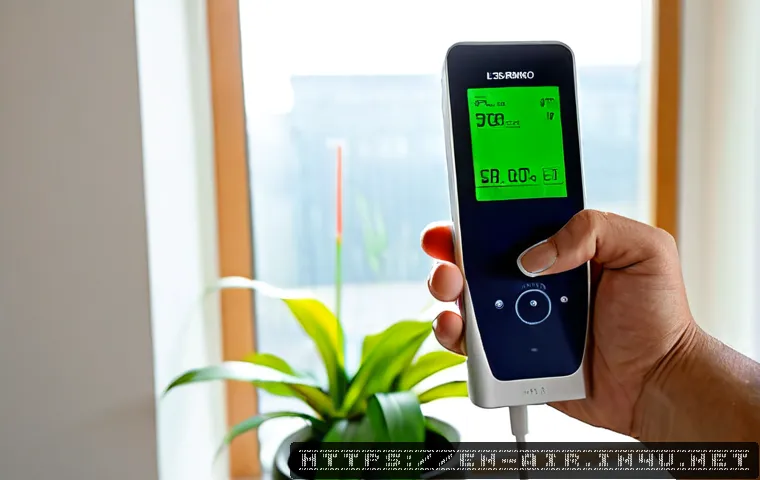
Many modern samplers come with digital displays that provide real-time data. Getting comfortable interpreting these readouts quickly makes a big difference during timed practical exams.
I remember struggling initially with the interface on one device, but after repeated practice, I developed a mental checklist to verify key parameters instantly.
This approach reduces stress and helps catch errors before finalizing the measurements.
Mastering Gas Analyzers for Precise Pollutant Detection
Understanding Different Gas Sensors
Gas analyzers vary widely depending on the pollutants they detect—whether it’s carbon monoxide, sulfur dioxide, or nitrogen oxides. I’ve found that reading the manufacturer’s manual in detail, beyond just the quick start guide, gives you insight into sensor sensitivity and potential interferences.
Knowing these details helps troubleshoot unexpected readings during exams and boosts your credibility as a technician.
Proper Sample Collection Techniques
Collecting gas samples correctly requires more than just connecting tubes. In one of my early practical tests, I learned the hard way that improper tubing length or material could contaminate samples or delay response times.
Using inert tubing and ensuring airtight connections prevents leaks and ensures the gas composition remains true from source to analyzer.
Data Logging and Reporting Features
Many analyzers feature built-in data loggers that automatically store readings, which can be a huge time-saver in exams and real-world applications. I recommend familiarizing yourself with exporting data formats and report generation options.
This knowledge allows you to present your findings professionally, which examiners value highly.
Optimizing Particulate Matter Monitoring Techniques
Selecting Appropriate Filters and Media
Filters are the heart of particulate sampling, and choosing the right type is critical. For example, glass fiber filters are excellent for capturing larger particles, while Teflon filters are preferred when chemical analysis is needed.
I’ve experimented with different filter types to understand how they influence sample integrity and ease of handling during the exam process.
Ensuring Correct Flow Rates
Maintaining the correct flow rate is a skill that takes practice. I recall during my certification exam, I had to manually adjust the pump speed to maintain the target flow within tight tolerances.
Using a calibrated flow meter and double-checking during the sampling process helped me avoid disqualification due to improper sampling volume.
Handling and Storage of Collected Samples
Once samples are collected, how you store and transport them matters a lot for analysis accuracy. I learned to always label filters clearly, avoid excessive heat or moisture exposure, and handle samples with clean gloves to prevent contamination.
These small but essential habits make a big difference in your exam results and professional reputation.
Mastering Meteorological Instruments for Contextual Analysis
Using Anemometers to Measure Wind Speed and Direction
Wind conditions directly influence pollutant dispersion, so understanding anemometer operation is key. I practiced setting up handheld and fixed anemometers in different environments to get reliable readings.
Knowing how to interpret wind roses and adjust for local turbulence can elevate your exam answers from basic to insightful.
Temperature and Humidity Sensors in Air Quality Assessment
Temperature and humidity affect pollutant behavior significantly. I found that calibrating these sensors regularly and understanding their impact on chemical reactions or particulate formation helped me provide more comprehensive analysis during practical tests.
It’s not just about reading numbers; it’s about interpreting their environmental implications.

Integrating Weather Data with Pollution Levels
Combining meteorological data with pollution measurements allows for a more holistic understanding of air quality. In my experience, creating simple charts that correlate wind speed, temperature, and pollutant concentration impresses examiners and demonstrates advanced analytical skills.
Essential Safety Gear and Protocols for Fieldwork
Personal Protective Equipment (PPE) Selection
Working in environments with potential hazardous substances demands proper PPE. I always make sure to have respirators, gloves, and safety glasses ready during practical tests.
Not only does this keep me safe, but it also shows the examiner that I take safety seriously, which is often a scoring point.
Site Safety and Hazard Assessment
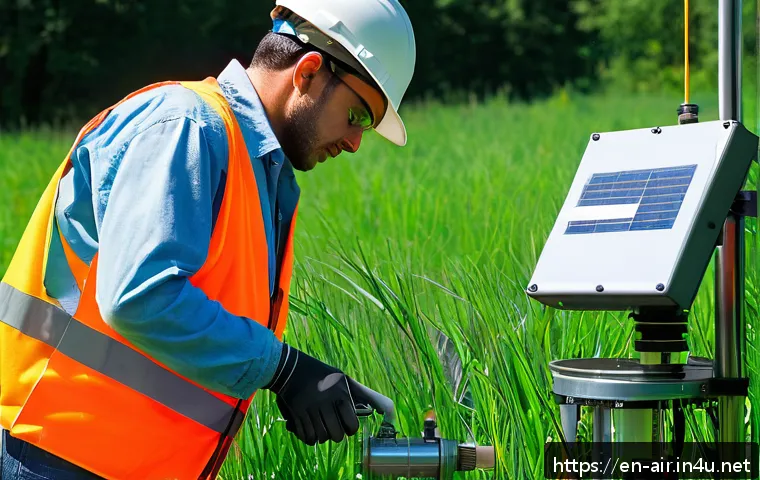
Before starting any sampling, conducting a quick site hazard assessment is a must. During my practicals, I developed a checklist to identify risks like traffic, chemical exposure, or unstable terrain.
This habit not only protects me but also helps organize the sampling process efficiently, saving valuable exam time.
Emergency Procedures and Communication
Knowing what to do in an emergency, whether it’s a chemical spill or sudden weather change, is non-negotiable. I recommend memorizing basic emergency protocols and ensuring your communication devices are fully charged and functional.
This preparation can be a lifesaver both in exams and real-life scenarios.
Data Analysis Tools and Documentation for Reporting
Using Software for Data Interpretation
Many air quality exams now expect candidates to demonstrate proficiency with software tools for data analysis. I practiced using Excel and specialized air quality programs to create graphs, calculate averages, and identify trends.
This skill not only speeds up report writing but also enhances data accuracy.
Organizing Field Notes and Logs
Keeping detailed and organized field notes is critical. During my exam, having clear notes on equipment settings, sampling times, and environmental conditions helped me cross-check data and avoid mistakes.
I suggest using standardized forms or digital apps to streamline this process.
Preparing Clear and Professional Reports
The final report is your chance to showcase your technical knowledge and communication skills. I found that using straightforward language, including tables and charts, and summarizing key findings clearly made my reports stand out.
Remember, examiners appreciate clarity and professionalism as much as technical accuracy.
| Equipment Type | Primary Use | Key Feature | Maintenance Tip |
|---|---|---|---|
| High-Volume Air Sampler | Particulate Matter Collection | High flow rate for large sample volumes | Regular calibration of flow meter |
| Gas Analyzer | Detecting Specific Gases | Sensor specificity for target pollutant | Check sensor lifespan and calibrate frequently |
| Anemometer | Measuring Wind Speed and Direction | Portable with digital display | Clean sensor blades and verify calibration |
| Personal Protective Equipment | Safety during Sampling | Respirators, gloves, goggles | Inspect before use and replace damaged items |
| Data Logging Software | Data Analysis and Reporting | Graphing and export functions | Keep software updated and backup data |
Conclusion
Mastering air sampling and pollutant detection techniques is essential for accurate environmental assessments. Through hands-on experience and careful attention to equipment, calibration, and data interpretation, you can confidently handle practical exams and real-world scenarios. Remember, thorough preparation and safety awareness always make a significant difference in your results and professional growth.
Helpful Tips to Keep in Mind
1. Always test your equipment beforehand to familiarize yourself with its operation and quirks.
2. Regularly calibrate your devices and keep detailed maintenance records to ensure reliability.
3. Use inert tubing and airtight connections to maintain sample integrity during gas collection.
4. Combine meteorological data with pollution measurements to enhance your analysis and reporting.
5. Maintain clear, organized field notes and practice using data software to streamline your reporting process.
Key Takeaways
Choosing the appropriate sampling devices tailored to the target pollutants is fundamental for precise measurements. Consistent calibration and proper handling of equipment prevent errors and improve data accuracy. Integrating meteorological context and adhering to strict safety protocols not only safeguard your well-being but also enrich your analytical insights. Finally, clear documentation and professional reporting elevate your credibility and demonstrate comprehensive expertise in air quality assessment.
Frequently Asked Questions (FAQ) 📖
Q: uestionsQ1: What are the most important tools I should master for air quality practical exams?
A: From my hands-on experience, the top tools you need to be comfortable with include portable gas analyzers, particulate matter monitors, and airflow meters.
These devices are commonly used to measure pollutants like CO2, PM2.5, and VOCs in various environments. Getting familiar with their calibration, operation, and data interpretation will give you a huge advantage during your exams.
I recommend practicing with real equipment whenever possible, as this builds both your confidence and technical understanding.
Q: How can I improve my accuracy when using air quality measurement equipment?
A: Accuracy comes down to proper calibration, environmental awareness, and methodical data collection. Before every test, ensure your instruments are correctly zeroed and calibrated according to manufacturer guidelines.
Also, consider external factors such as temperature, humidity, and wind, which can affect readings. During my training, I found that taking multiple measurements and cross-referencing results helped minimize errors.
Developing a systematic approach to data logging and review is crucial for reliable outcomes.
Q: What tips can help reduce stress and perform better during the practical exam?
A: One of the best ways to reduce exam stress is thorough preparation with the actual tools and scenarios you’ll face. When I was preparing, simulating real field conditions and timing myself made a noticeable difference.
Also, focus on understanding the ‘why’ behind each measurement, not just the ‘how.’ This deeper knowledge makes troubleshooting easier if something goes wrong.
On exam day, take a moment to breathe deeply, stay organized, and trust the skills you’ve honed through practice—it really helps keep nerves in check and lets you perform at your best.