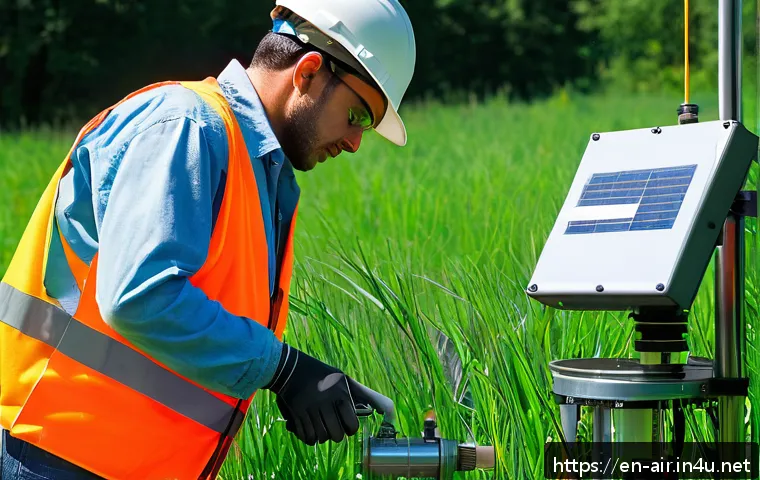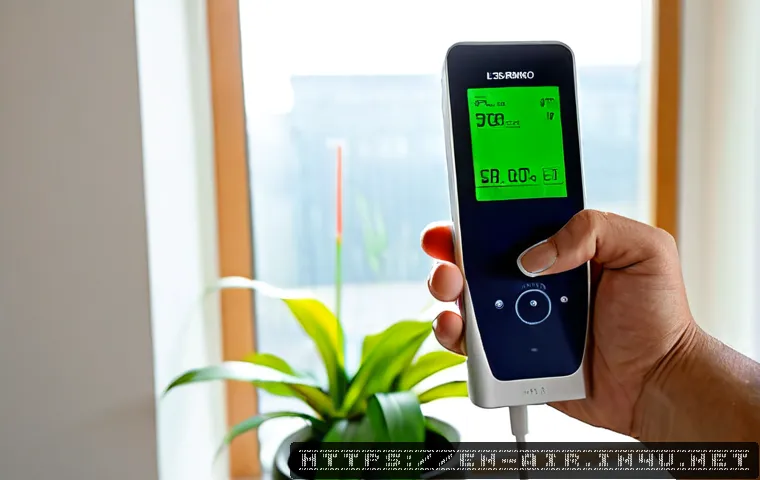
Use an air pollution monitor by setting it up according to the manufacturer’s instructions, allowing it to stabilize, and placing it where it reflects the air people actually breathe.
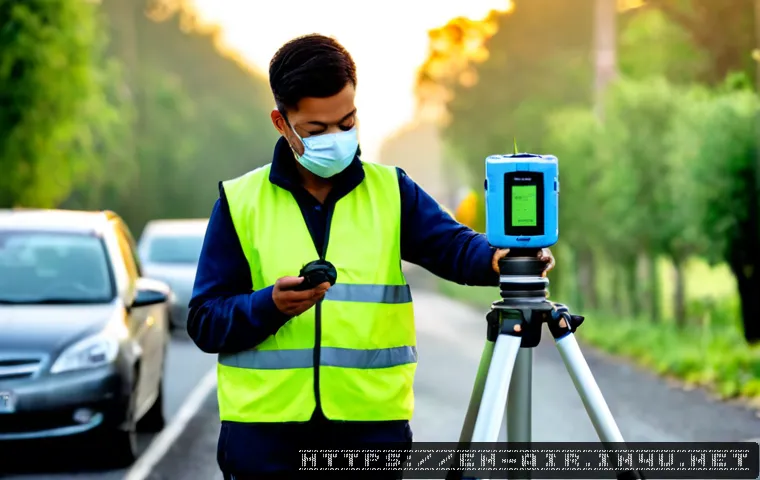
Look for patterns over time rather than reacting to one number, and use professional indoor air-quality assessment when the decision involves a workplace, school, rental property, or compliance requirement.
The best monitor depends on what you are trying to investigate: particles from smoke and dust, ventilation conditions, or possible indoor pollution sources.
A basic PM2.5 sensor can be practical for routine home checks, while a multi-pollutant monitor may be more useful when you need trend data for ventilation and household activities.
Do not assume a display can identify the exact source of pollution or confirm that a space meets any regulatory standard. Good placement, notes about nearby activities, and realistic expectations make the readings much more useful.
At a Glance
- Set up the monitor, let its sensors stabilize, and use early readings as a baseline rather than a final conclusion.
- Place it in a normal breathing-zone area, away from direct drafts, heat, and obvious sources unless you are testing that source.
- Use trends to guide investigation; persistent unusual readings may justify a more detailed indoor air-quality assessment.
| Monitor Type | Best Fit | Typical Sensor Coverage | Ownership Considerations |
|---|---|---|---|
| Basic particle monitor | Smoke, dust, daily household checks | Usually particle-focused, such as PM2.5 | Check power options, data display, sensor care, and replacement-part availability |
| Multi-sensor air-quality monitor | Ventilation questions and indoor-source investigation | Particles plus model-specific gas or ventilation indicators | Compare app history, alerts, calibration guidance, subscriptions, and support |
| Professional assessment | Schools, workplaces, rental issues, or regulatory decisions | Selected testing based on the specific concern | May offer better value when a monitor alone cannot answer the decision question |
Start Here: Get a Reliable Reading in the First Hour
The first goal is not to chase a perfect number. It is to create a useful baseline under ordinary conditions. Read the device manual, charge or power the unit, connect it to its app if applicable, and complete the manufacturer’s setup steps before judging the display.
Charge or power the device and complete the manufacturer’s setup steps
Use the recommended power method and confirm that the monitor is operating in its intended mode. Some models store readings locally, while others depend on an app or network connection for history and alerts. If you plan to compare rooms or review recurring events, make sure data logging is active before you begin.
Allow the sensor to stabilize before treating the first readings as meaningful
A newly powered monitor may need time to settle into the room conditions. Treat the opening display as a startup observation, not a diagnosis. Wait for readings to become more consistent, then note the conditions around the monitor. Exact stabilization and calibration needs vary by sensor type and model.
Record the room, time, ventilation status, and nearby activities
A simple note makes later comparisons far more useful. Record whether windows were open, whether heating or cooling was running, and whether anyone was cooking, cleaning, showering, vacuuming, or using a humidifier. These details can explain a change that otherwise looks mysterious.
Where to Place an Air Monitor for Useful Results
Placement can change the result as much as the monitor itself. For a general room reading, place the device where occupants spend time rather than beside a pollution source or directly in moving air.
Choose a breathing-zone location away from direct drafts and heat sources
Set the monitor on a stable surface in a regularly occupied part of the room. Keep it away from strong airflow, direct sunlight, heaters, and equipment that gives off heat. The aim is to measure the room environment, not a narrow pocket of air shaped by a vent or appliance.
Avoid windows, kitchens, humidifiers, and vents unless you are testing those specific sources
A monitor next to an open window may reflect outdoor air. A unit near a stove may capture a brief cooking plume. Near a humidifier, some particle sensors may react differently than expected. These locations can still be useful, but label them as source checks, not whole-room readings.
Use separate locations for indoor baseline checks and outdoor exposure checks
Indoor and outdoor readings answer different questions. For indoor monitoring, establish a repeatable room location. For outdoor exposure checks, use a suitable location and follow the monitor’s operating guidance. Do not directly compare devices or locations without considering airflow, weather, nearby traffic, and update intervals.
Understand the Main Readings Before Taking Action
An air monitor can show useful signals, but each reading has limits. The right response is usually to verify the pattern, review what was happening nearby, and investigate the most plausible causes.
Particle readings: PM1, PM2.5, and PM10
Particle measurements group airborne particles by size categories. PM1, PM2.5, and PM10 may respond to smoke, dust, cooking activity, outdoor air, or other conditions. A particle monitor can help you see change over time, but it does not identify the exact material in the air or prove where it came from.
Gas and ventilation indicators: VOC, carbon dioxide, and other model-specific measurements
Multi-pollutant monitors may include VOC, carbon dioxide, or other model-specific measurements. These indicators can support a ventilation review or help identify recurring changes after certain activities. Their interpretation depends on the technology used, the setting, and the monitor’s stated capabilities. Check the product specifications before relying on any single sensor category.
Why a short spike is different from a persistent elevated pattern
A brief change during cooking, cleaning, or an open-door event may be worth noting without representing normal room conditions. A repeated or persistent pattern is more useful for investigation. Review the trend history, repeat the observation under similar conditions, and consider whether ventilation, outdoor conditions, or an indoor activity lines up with the change.
Choose the Right Monitor Type and Budget for Your Use Case
The best air quality monitor is the one that measures the problem you actually need to understand. Buying more sensors is not always better if the information will not change your next step.
Basic particle monitors for wildfire smoke, dust, and daily home checks
A basic particle monitor may suit households watching for smoke, dust, or changes linked to everyday activities. It can be a practical starting point when the main question is whether particle levels appear different between rooms, times of day, or ventilation conditions.
Multi-sensor monitors for ventilation and indoor-source investigations
A multi-sensor air-quality monitor may be a better fit when you want particle trends alongside ventilation-related or gas-related indicators. Compare which pollutants are actually measured, how readings are displayed, whether the app retains history, and what sensor maintenance the manufacturer recommends.
When a professional indoor air-quality assessment offers better value
Professional indoor air-quality testing can make more sense when the result may affect a workplace decision, school environment, rental-property dispute, or compliance question. A qualified assessment can be designed around the concern being investigated. A consumer monitor alone cannot confirm regulatory compliance or identify every pollution source.
Consider total cost: device price, replacement parts, calibration, subscriptions, and support
Look beyond the initial purchase price. Consider replacement sensors or parts, calibration needs, app subscriptions, warranty coverage, and access to support. A lower-cost device may be sufficient for basic trend monitoring, while a higher-specification model may be worthwhile only if its extra data supports a real decision.
Avoid Common Measurement Mistakes
Most misleading readings come from context problems, not just equipment problems. A careful routine helps prevent overreaction.
Treating one reading as a diagnosis
One display value cannot diagnose an air-quality problem. Repeat the observation, document the conditions, and look for a consistent pattern. If the concern is serious or tied to a formal decision, seek a qualified assessment rather than relying on a single monitor.
Ignoring humidity, airflow, cleaning products, cooking, and outdoor conditions
Indoor air changes throughout the day. Humidity, airflow, cooking, cleaning products, open windows, and outdoor events can all influence readings. Review these factors before concluding that the monitor has found a permanent issue.
Comparing different devices without checking their sensor categories and update intervals
Two monitors may not measure the same pollutants or report data at the same interval. Compare like with like: the sensor category, placement, time period, and operating conditions should be as similar as possible. Different results do not automatically mean one device is wrong.
Selection Criteria and Comparison Summary
Before choosing a model or service, use this checklist:
- Match the measurement to the concern: choose particle monitoring for smoke or dust questions, and broader sensor coverage only when it serves a clear purpose.
- Check placement flexibility: battery power, size, and mounting options affect whether you can test the rooms that matter.
- Review data history and alerts: trend charts are often more useful than a single live reading.
- Compare calibration and maintenance requirements: these vary by monitor model and sensor technology.
- Know when to escalate: formal workplace, school, rental, or compliance decisions may require professional indoor air-quality assessment.
Compare monitor specifications before choosing a model, especially the pollutants measured, app features, calibration guidance, replacement parts, and ongoing ownership requirements. For professional services, review the scope of assessment and what questions the testing is intended to answer.
In Closing
An air pollution monitor is most useful when it becomes part of a repeatable observation routine. Set it up carefully, use a consistent location, and connect changes in readings with what was happening in the space. Choose a particle-only or multi-sensor device based on the question you need to answer. When the outcome affects a formal decision, monitoring can provide context, but professional testing may be the more appropriate next step.
Useful Things to Know
Tip 1: Keep a short log of cooking, cleaning, open windows, ventilation changes, and outdoor conditions.
Tip 2: Use one stable location for baseline monitoring before moving the device to investigate a specific area.
Tip 3: Review trends over multiple observations instead of making decisions from a brief spike.
Important Limitations
Monitor accuracy, detection range, update frequency, and calibration requirements vary by model and sensor technology. Readings alone cannot identify the exact source of pollution, confirm health effects, or establish regulatory compliance. Health implications depend on pollutant type, concentration, exposure duration, and individual risk factors. Verify manufacturer guidance and consider qualified professional help when the situation requires a formal conclusion.
Frequently Asked Questions
Q1. What type of air pollution monitor is best for a home with cooking smoke or wildfire smoke?
A1. A particle-focused monitor can be a practical starting point because cooking smoke and wildfire smoke may affect particle readings. If you also want to review ventilation patterns or other indoor conditions, compare multi-sensor monitors by the specific measurements they provide. Do not assume the device can identify the source on its own.
Q2. How much should I expect to spend on an indoor air-quality monitor versus professional testing?
A2. Costs vary widely by monitor features, sensor categories, replacement parts, calibration needs, subscriptions, and service scope. Instead of choosing by initial price alone, compare total ownership requirements and ask whether the device can answer your actual question. Professional testing may offer better value when the result supports a workplace, school, rental, or regulatory decision.
Q3. Can an air quality monitor tell me whether the air in my home is safe?
A3. No single monitor reading can provide a complete safety determination. A monitor can show trends and changes in the pollutants or indicators it is designed to measure, but health implications depend on several factors. Use persistent or unusual patterns as a reason to verify conditions and investigate further when needed.