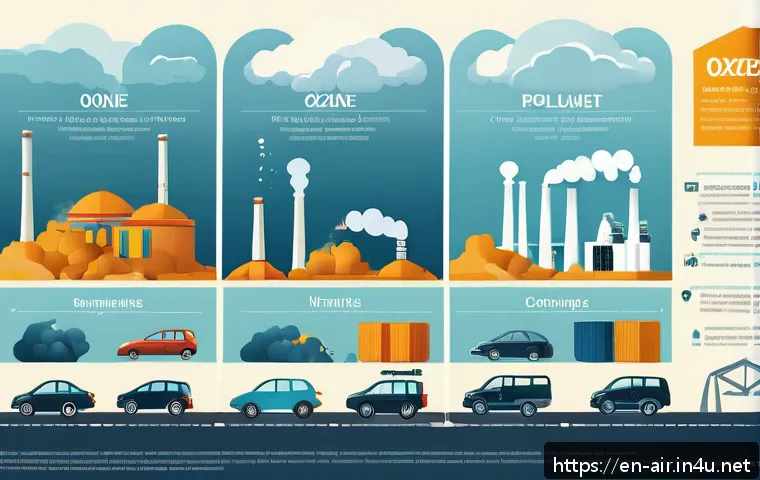
With growing concerns over air pollution and stricter environmental regulations, the demand for skilled professionals in air quality management has never been higher.

Whether you’re transitioning careers or aiming to boost your expertise, understanding the essential skills and certifications can set you apart in this competitive field.
In this post, I’ll share insights that helped me navigate the job market and land opportunities that truly make an impact. If you’re passionate about cleaner air and want to advance your career, keep reading to discover what employers are really looking for today.
Mastering Technical Proficiencies That Matter Most
Understanding Air Quality Monitoring Equipment
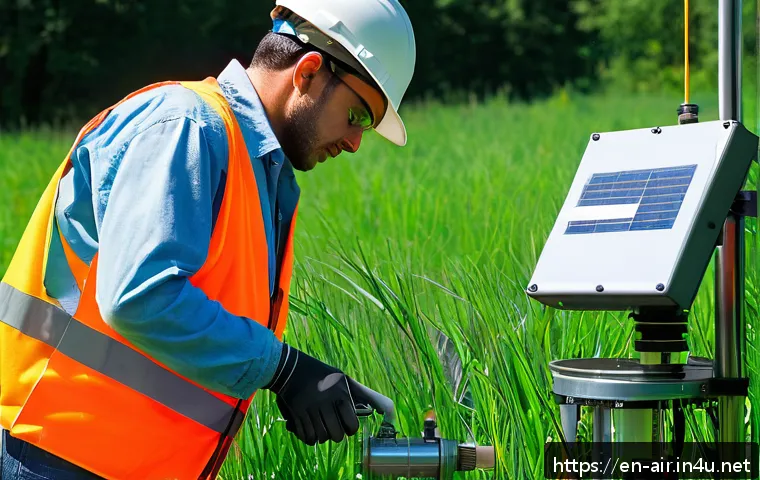
Getting hands-on experience with air quality monitoring tools is a game changer. When I first dived into this field, I found that knowing how to operate and calibrate devices like particulate matter sensors, gas analyzers, and meteorological instruments gave me a huge advantage.
Employers want candidates who don’t just understand theory but can troubleshoot real equipment issues on the spot. If you’ve never handled such tools, start with online simulations or workshops; they build confidence and familiarity that will show in interviews and on the job.
Data Analysis and Interpretation Skills
Collecting data is only half the battle. What really impressed hiring managers during my job hunt was my ability to analyze complex datasets, identify trends, and translate raw numbers into actionable insights.
Proficiency in software like Excel, R, or Python for data processing is invaluable. I recommend focusing on statistical methods relevant to environmental data, such as time series analysis and regression models.
Sharing case studies or projects where you made data-driven recommendations can set you apart dramatically.
Regulatory Compliance and Reporting Expertise
Navigating the maze of environmental regulations is crucial. In my experience, understanding federal and state air quality standards (like EPA’s NAAQS in the US) and how to prepare compliance reports is a skill that employers consistently highlight.
Being able to interpret legal language and apply it to monitoring results helps companies avoid costly fines. If you’re new to this, consider certification courses or seminars that specialize in air quality laws and reporting frameworks.
Building a Strong Foundation Through Certifications
Choosing the Right Certifications
Certifications can be a powerful validation of your expertise. For air quality professionals, certifications like the Certified Air Quality Professional (CAQP) or the Air Quality Management Certificate from recognized institutions can open doors.
When I earned my CAQP, I noticed an immediate boost in recruiter interest because it signaled my commitment and technical proficiency. Depending on your region, look for certifications that carry weight locally and globally to maximize your marketability.
Preparing for Certification Exams
Passing certification exams demands thorough preparation. I found that combining self-study with group discussions and practice exams was the most effective approach.
Don’t underestimate the value of study groups; explaining concepts aloud helps deepen understanding. Also, focus on real-world applications rather than just memorizing facts.
Many exams test your problem-solving skills in practical scenarios, so try to relate your study materials to actual work experiences or case studies.
Continuing Education and Skill Refreshment
The air quality field evolves rapidly with technological and regulatory changes. I make it a point to attend annual conferences and webinars to stay current.
Many certifications require continuing education credits, which encourages ongoing learning. Keeping your skills fresh not only boosts your resume but also helps you adapt to new challenges on the job, making you a more valuable and confident professional.
Leveraging Networking and Industry Engagement
Joining Professional Associations
Being part of professional groups like the Air & Waste Management Association (A&WMA) or local environmental networks can significantly expand your opportunities.
I joined A&WMA early in my career and gained access to exclusive job boards, technical resources, and mentorship programs. These groups often hold events where you can meet industry leaders and potential employers face-to-face, which is priceless for building genuine connections.
Using LinkedIn to Showcase Expertise
A well-crafted LinkedIn profile can be your digital handshake. I’ve found that regularly sharing articles, commenting on industry trends, and posting project highlights not only builds credibility but also keeps you visible to recruiters.
Don’t hesitate to reach out to professionals for informational interviews; most are happy to share advice. Tailoring your profile keywords to match job descriptions also helps you appear in relevant searches.
Participating in Environmental Conferences and Workshops
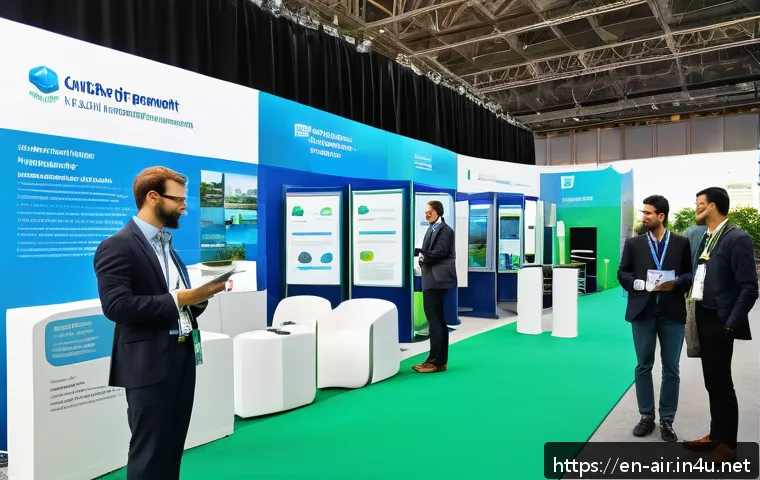
Attending industry events has helped me stay ahead of trends and learn from thought leaders. Workshops provide hands-on experience and often introduce emerging technologies before they hit mainstream use.
Even virtual events can be valuable for expanding your knowledge and meeting peers globally. Plus, mentioning your participation in these events during interviews demonstrates your enthusiasm and dedication to the field.
Developing Soft Skills for Effective Air Quality Management
Communication and Reporting Abilities
Being technically skilled isn’t enough if you can’t communicate findings clearly. In my experience, crafting concise reports and presenting complex data to non-experts is a critical skill.
Employers appreciate candidates who can bridge the gap between scientists, policymakers, and the public. Practice writing executive summaries and delivering presentations; these will boost your confidence and effectiveness in any role.
Problem-Solving and Critical Thinking
Air quality challenges often require quick, innovative solutions. I’ve tackled situations where unexpected pollution spikes demanded rapid investigation and response.
Developing a mindset that questions assumptions and evaluates multiple solutions systematically helps you stand out. Case studies or examples of how you’ve handled difficult situations can be powerful talking points in interviews.
Teamwork and Project Management
Many air quality projects involve cross-disciplinary teams and tight deadlines. I learned that being able to coordinate with engineers, scientists, regulators, and community stakeholders is essential.
Project management skills, including scheduling, budgeting, and resource allocation, enhance your reliability. Highlight any experience managing or collaborating on projects to show that you can deliver results in complex environments.
Understanding Emerging Technologies and Trends
Remote Sensing and IoT Applications
Remote sensing technologies and Internet of Things (IoT) devices are transforming air quality monitoring. When I explored these advancements, I realized how they enable real-time data collection and more comprehensive coverage.
Familiarity with these technologies not only future-proofs your skills but also makes you attractive to forward-thinking employers who invest in smart environmental solutions.
Machine Learning and Predictive Analytics
Incorporating machine learning models to forecast pollution levels is becoming standard practice. Learning basic concepts of AI and how to apply predictive analytics tools can give you an edge.
I recommend starting with online courses focused on environmental data science. Being able to interpret and use predictive models helps organizations proactively manage air quality and comply with regulations more efficiently.
Sustainability and Climate Change Integration
More companies are linking air quality initiatives to broader sustainability and climate goals. Understanding how air pollution interacts with greenhouse gas emissions and climate policies enhances your strategic value.
I’ve seen that professionals who can connect these dots are often tapped for leadership roles or cross-functional teams focused on long-term environmental impact.
Practical Experience and Internships That Make a Difference
Finding Meaningful Internship Opportunities
Internships are invaluable for gaining real-world exposure. Early in my career, an internship at a municipal air quality agency gave me firsthand experience with compliance monitoring and public reporting.
Look for positions that offer hands-on work rather than just clerical duties. Even short-term internships can build your resume and provide stories that resonate with future employers.
Volunteering for Environmental Projects
Volunteering with local environmental groups or community science projects can also build skills and demonstrate passion. I volunteered in a community air monitoring initiative, which helped me understand grassroots challenges and stakeholder engagement.
These experiences often provide unexpected learning opportunities and show employers your genuine commitment.
Documenting and Showcasing Your Experience
Keeping a detailed portfolio of your projects, reports, and presentations is a smart move. When I prepared for interviews, having tangible examples to discuss made my answers more credible and engaging.
Digital portfolios or blogs can serve as dynamic resumes that highlight your journey and growth in the air quality field.
Key Skills and Certifications at a Glance
| Skill/Certification | Description | Why It Matters |
|---|---|---|
| Air Quality Monitoring | Operating sensors and analyzers for pollutants like PM2.5, NO2, O3 | Ensures accurate data collection and real-time monitoring |
| Data Analysis (Excel, R, Python) | Processing and interpreting environmental datasets | Transforms raw data into actionable insights for decision-making |
| Regulatory Knowledge (EPA NAAQS, Local Laws) | Understanding air quality standards and compliance requirements | Prevents legal violations and supports environmental reporting |
| Certified Air Quality Professional (CAQP) | Industry-recognized certification validating expertise | Boosts credibility and opens career advancement opportunities |
| Communication Skills | Writing reports and presenting technical information clearly | Facilitates collaboration and stakeholder understanding |
| Project Management | Coordinating teams, timelines, and resources effectively | Ensures successful project delivery in complex environments |
| Emerging Tech Familiarity (IoT, ML) | Knowledge of new tools like sensors and predictive models | Keeps skills current and aligns with industry innovation |
Conclusion
Mastering key technical skills and staying current with emerging trends are essential for a successful career in air quality management. Combining hands-on experience with strong analytical abilities and effective communication will set you apart. Continuous learning and active industry engagement ensure you remain adaptable in this evolving field. Ultimately, dedication to both technical expertise and soft skills will open doors to meaningful opportunities.
Helpful Information to Keep in Mind
1. Practical experience with air quality instruments boosts confidence and employability in real-world settings.
2. Strong data analysis skills enable you to turn raw information into valuable insights that drive decisions.
3. Understanding and adhering to environmental regulations helps avoid costly compliance issues.
4. Networking through professional organizations and online platforms can uncover hidden job opportunities.
5. Ongoing education and certifications demonstrate commitment and keep your expertise relevant.
Key Takeaways
To thrive in the air quality field, focus on developing a balanced skill set that combines technical proficiency, regulatory knowledge, and interpersonal abilities. Seek out certifications that enhance your credibility and invest time in building a professional network. Embrace emerging technologies and continuously update your skills to stay ahead. Remember, practical experience and clear communication often make the biggest impact when advancing your career.
Frequently Asked Questions (FAQ) 📖
Q: uestions about
A: ir Quality Management Careers
Q: What are the most important skills to develop for a career in air quality management?
A: Employers highly value a mix of technical and soft skills in this field. On the technical side, proficiency in air quality monitoring equipment, data analysis software, and knowledge of environmental regulations is crucial.
Additionally, strong problem-solving abilities and effective communication skills help when working with stakeholders or drafting reports. From my experience, gaining hands-on exposure to real-world air monitoring projects made a significant difference in how confidently I could handle job responsibilities.
Q: Which certifications can boost my chances of landing a job in air quality management?
A: Certifications such as the Certified Air Quality Manager (CAQM) or the Certified Environmental Professional (CEP) can greatly enhance your resume. These credentials demonstrate your commitment and expertise to potential employers.
Also, certifications related to occupational safety, like OSHA training, are often preferred since air quality work sometimes involves field inspections in potentially hazardous environments.
I personally found that completing a recognized certification program opened doors to interviews that otherwise seemed out of reach.
Q: How can I transition into air quality management from a different environmental or engineering background?
A: Transitioning is definitely possible with the right approach. Start by identifying transferable skills such as data analysis, environmental policy knowledge, or project management that you already possess.
Then, supplement these with targeted learning—either through online courses, workshops, or certifications focused specifically on air quality. Networking with professionals in the field and seeking internships or volunteer roles can also provide practical experience.
When I made a similar switch, these steps helped me build credibility and gain confidence in my new specialty.