With growing concerns about environmental health and stricter regulations worldwide, air quality certification has become more important than ever. Many aspiring professionals wonder just how challenging the written exam really is and what it takes to pass.

Whether you’re gearing up to take the test or simply curious about the process, understanding the exam’s difficulty level can help you prepare smarter.
In this post, I’ll share insights from personal experience and industry updates to give you a clear picture of what to expect. Stick around—this could be the boost you need to tackle the certification with confidence!
Understanding the Core Subjects Tested
Environmental Science Foundations
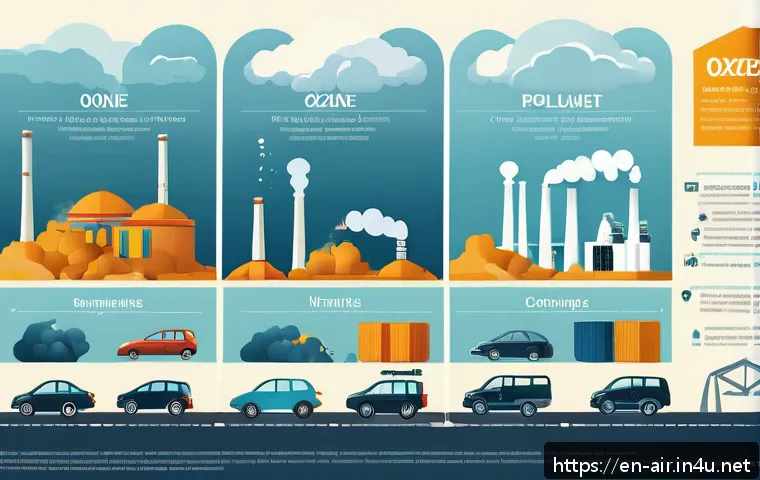
The exam dives deep into the basics of environmental science, focusing heavily on air pollution sources, chemical interactions in the atmosphere, and the impact of pollutants on health and ecosystems.
From my experience, this section requires a solid grasp of scientific principles rather than just rote memorization. You’ll want to be comfortable with concepts like particulate matter, nitrogen oxides, and volatile organic compounds since these come up frequently.
Reviewing recent research papers or current environmental reports can also give you an edge because the exam often references contemporary issues. Don’t overlook the importance of understanding how weather patterns influence pollutant dispersion—this often trips up candidates who assume it’s purely theoretical.
Regulations and Compliance Standards
This part tests your knowledge of local and international air quality regulations, which can be a bit overwhelming due to the volume of standards and legal requirements.
However, the key is to focus on the most widely enforced ones, such as EPA standards in the U.S. or the Air Quality Directive in the EU. I found that creating comparison charts helped me remember differences in pollutant limits and compliance timelines.
The exam questions here usually assess your ability to apply these regulations in hypothetical scenarios, so understanding the practical application is crucial.
Don’t just memorize numbers—think about how these standards impact industries and public health initiatives.
Technical Skills and Measurement Techniques
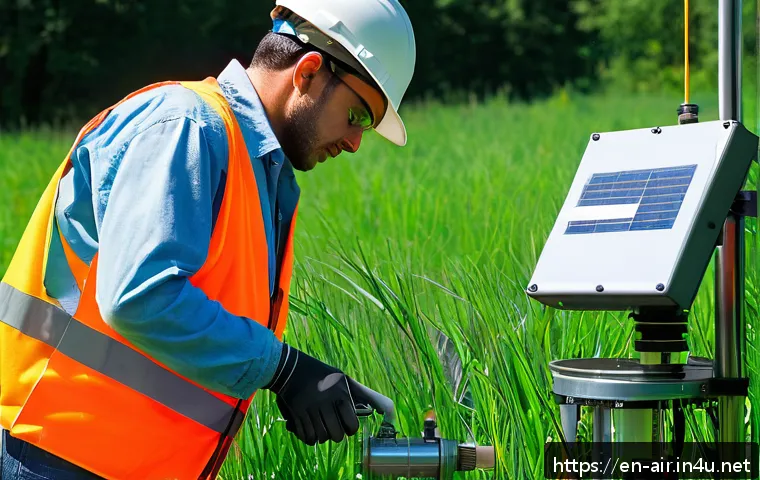
Expect a fair amount of questions on air quality monitoring methods and instrumentation. This includes everything from manual sampling techniques to automated sensor technologies.
I personally struggled at first with the details of calibration and maintenance protocols, but practicing with real equipment or simulation software made a big difference.
The exam also tests your ability to interpret data outputs and troubleshoot common measurement errors. If you have hands-on experience or can shadow a professional in this field, it’s incredibly beneficial.
Remember, the exam isn’t just about theory—it gauges your readiness to handle real-world challenges.
Breaking Down the Exam Format and Time Management
Question Types and Distribution
The written exam typically includes multiple-choice questions, short answers, and problem-solving exercises. From what I’ve seen, about 60% are multiple-choice, which test breadth, while the remaining 40% require deeper analysis or calculations.
The diversity in question formats means you have to switch mental gears quickly, so practicing under timed conditions is vital. In my case, doing mock exams helped me identify which question types took longer and where I needed to speed up.
Don’t underestimate the mental stamina required—staying focused for the entire duration can be just as challenging as the content itself.
Time Allocation Strategies
With roughly three hours to complete the exam, pacing yourself is essential. I recommend dividing your time based on question weight and difficulty, starting with the sections you’re most confident in to build momentum.
Leaving tougher questions for later prevents getting stuck early and wasting precious minutes. A good rule of thumb is to allocate about 1.5 minutes per multiple-choice question and 5 to 7 minutes for problem-solving or essay questions.
Keep an eye on the clock, but avoid rushing, as careless mistakes tend to happen under pressure. Practicing timed quizzes was a game changer for me in developing a natural rhythm.
Common Pitfalls and How to Avoid Them
Overlooking Practical Application
One mistake many candidates make is focusing too much on theory without connecting it to real-world scenarios. For example, knowing pollutant thresholds is important, but understanding how to implement corrective measures or interpret monitoring data in context is what sets top performers apart.
When I prepared, I made a habit of reading case studies and environmental incident reports, which helped me visualize how regulations and scientific principles apply practically.
This approach not only boosted my confidence but also improved my ability to tackle scenario-based questions.
Ignoring Updates in Standards and Technology
Air quality regulations and monitoring technologies evolve rapidly. Candidates who rely on outdated materials risk missing recent changes that could appear on the exam.
I learned this the hard way during my first attempt, which motivated me to subscribe to industry newsletters and attend webinars regularly. Staying current doesn’t mean overwhelming yourself with every single update but focusing on major shifts like new pollutant classifications or advancements in sensor accuracy.
This habit made a huge difference in my second try, where I noticed more questions reflecting recent trends.
Poor Study Planning and Resource Use
Without a structured study plan, it’s easy to get lost in the vast content. I found that dividing my preparation into weekly goals, mixing reading, practice tests, and hands-on activities, kept me motivated and efficient.
Using diverse resources—official manuals, online forums, and even YouTube tutorials—helped clarify complex topics. Avoid cramming; instead, spread your learning over several weeks to improve retention.
Also, don’t hesitate to reach out to certified professionals or join study groups, as discussing tricky concepts often reveals insights you wouldn’t find alone.
Essential Study Materials and Tools
Official Guides and Textbooks
The backbone of your preparation should be the official exam guide provided by the certifying body. This document outlines the syllabus, exam format, and key topics.
Supplementing this with authoritative textbooks on air pollution control, environmental law, and atmospheric chemistry will deepen your understanding.

I personally recommend selecting materials that include practice questions and detailed explanations, which help bridge theory and application. Make sure to get the latest editions to cover recent developments.
Practice Exams and Simulations
Nothing beats repeated exposure to the exam format like practice tests. These help identify weak spots and improve your time management. During my prep, I used online simulators that mimic the actual testing environment, which reduced anxiety on exam day.
Reviewing incorrect answers thoroughly ensures you learn from mistakes rather than repeating them. Also, try to simulate test conditions at home—quiet space, timed sessions—to build mental endurance and familiarity.
Interactive Learning and Peer Support
Engaging with peers or mentors can accelerate learning significantly. Joining study groups, forums, or professional networks exposes you to diverse perspectives and problem-solving approaches.
When I participated in a local environmental professionals’ meetup, I gained practical tips and real-world insights that textbooks don’t offer. Additionally, interactive workshops or webinars often include Q&A sessions that clarify complex issues and update you on industry trends, which can be invaluable for exam readiness.
Comparing Exam Difficulty Across Related Certifications
How This Exam Stacks Up
Compared to other environmental certifications like water quality or waste management exams, the air quality certification tends to be more technically demanding due to the scientific and regulatory complexity involved.
Candidates often report that the balance between theory, regulation, and practical skills makes it a well-rounded but challenging test. Personally, I found it tougher than some other certifications I’ve taken because it requires not just memorization but critical thinking and application under time pressure.
Key Differences in Content Focus
While water or soil quality exams might emphasize chemical analysis and biological impact, air quality tests lean heavily on atmospheric science and pollutant behavior.
This means you’ll encounter more questions related to meteorology, sensor technology, and emission control technologies. Understanding these distinctions helps tailor your study approach.
For example, if you have a background in chemistry but less in environmental physics, you may want to allocate extra time to mastering air dispersion models and meteorological factors.
Summary Table of Certification Exam Challenges
| Certification Type | Core Focus | Technical Complexity | Regulatory Emphasis | Practical Application |
|---|---|---|---|---|
| Air Quality | Atmospheric science, pollutant control | High | Strong, multiple standards | High, real-time monitoring |
| Water Quality | Chemical & biological water analysis | Medium | Moderate | Moderate, treatment processes |
| Waste Management | Waste treatment & disposal methods | Medium | Strong | Moderate, regulatory compliance |
Building Confidence Through Real-World Experience
Internships and On-the-Job Learning
Getting hands-on experience in environmental consulting firms or government agencies can dramatically improve your understanding and confidence. I found that working alongside experienced professionals exposed me to daily challenges and solutions that textbooks only briefly touch on.
This practical insight helped me connect theory to practice, making exam questions feel more intuitive. Even short internships or volunteer work in air quality monitoring projects can provide valuable exposure.
Simulating Exam Conditions in Practice
Before the actual exam, I recommend simulating the test environment to build mental toughness. This means sitting down for full-length practice exams without interruptions and adhering strictly to time limits.
Doing so helped me overcome anxiety and improve focus. It also highlighted areas where I needed to speed up or deepen my understanding. Over time, these simulations built a sense of familiarity that was crucial on test day.
Leveraging Feedback for Continuous Improvement
After practice exams or mock interviews, gathering feedback from instructors or peers can pinpoint blind spots. I remember one instance where a mentor pointed out a misconception I had about regulatory thresholds, which I immediately corrected.
This iterative process of practice, feedback, and adjustment was key to my success. Don’t shy away from constructive criticism—it’s one of the fastest ways to elevate your performance and boost your exam readiness.
Conclusion
Preparing for this exam demands a balanced approach combining solid theoretical knowledge, practical skills, and up-to-date awareness of regulations and technologies. Drawing from real-world experience and consistent practice greatly enhances confidence and performance. Remember, understanding how to apply concepts in realistic scenarios is just as important as memorizing facts. With focused effort and the right resources, success is well within reach.
Helpful Tips
1. Prioritize understanding core environmental science concepts over rote memorization to tackle complex questions effectively.
2. Use comparison charts to grasp differences in regulations and their practical implications on industries and public health.
3. Gain hands-on experience with monitoring instruments or simulations to improve technical skills and data interpretation.
4. Stay updated on the latest standards and technologies by subscribing to industry newsletters and attending webinars.
5. Structure your study plan with varied resources and peer support to maintain motivation and deepen comprehension.
Key Takeaways
Successful exam preparation hinges on blending theoretical knowledge with practical application, especially in interpreting real-world environmental data and regulations. Effective time management and familiarity with the exam format reduce stress and improve accuracy. Staying current with evolving standards ensures you’re ready for the latest challenges. Lastly, engaging with professional communities and seeking feedback accelerates learning and boosts confidence.
Frequently Asked Questions (FAQ) 📖
Q: uestions about
A: ir Quality Certification Exam Difficulty
Q: How difficult is the air quality certification written exam for someone new to the field?
A: From my experience and talking to others who’ve taken the exam, it’s definitely challenging but not impossible. The test covers a broad range of topics like pollutant types, measurement techniques, regulations, and health impacts.
If you have a basic background in environmental science or engineering and dedicate time to study official materials and practice questions, you can definitely pass.
The key is understanding concepts deeply, not just memorizing facts. Many newcomers find the technical jargon and regulation details the hardest part, but consistent review and practical examples help a lot.
Q: What are the best strategies to prepare for the air quality certification exam?
A: I’ve found that a mix of structured study and real-world application works best. Start by thoroughly reviewing the exam syllabus and focusing on your weaker areas.
Use official guides, online courses, and practice exams to get familiar with the question format. It helps to join study groups or forums where you can discuss tricky topics with peers.
Also, try to connect theory with actual air quality monitoring or case studies—this makes the material stick better. Don’t underestimate the power of mock exams under timed conditions; they build your confidence and improve time management.
Q: How much time should I realistically allocate to study before taking the exam?
A: Based on my own preparation and feedback from others, setting aside around 8 to 12 weeks of consistent study time is a good benchmark. That means dedicating a few hours several days a week to review content, do practice questions, and revisit complex topics.
Of course, this depends on your prior knowledge and daily schedule. Some people with strong environmental backgrounds might need less time, while others may want to spread it out longer to avoid burnout.
Starting early and pacing yourself is crucial—rushing at the last minute rarely leads to success.