Lately, air quality has become a hot topic as more people grow concerned about the environment and health. If you’re aiming to get certified in this critical field, you’re not alone—many are seeking effective ways to conquer the Air Quality Certification Exam.

I’ve been through the process myself, and trust me, it’s not just about hard work; smart strategies make all the difference. In this post, I’ll share the proven study hacks and techniques that helped me pass with confidence.
Whether you’re just starting or feeling overwhelmed, these tips will guide you through every step. Let’s dive in and make your certification journey smoother and more successful!
Mastering the Core Concepts of Air Quality
Understanding Key Pollutants and Their Sources
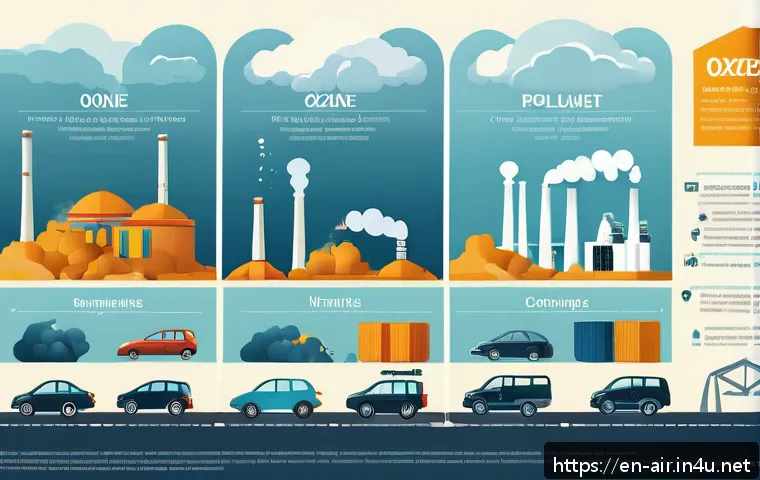
Grasping the fundamentals of what makes air unhealthy is the cornerstone of passing the Air Quality Certification Exam. When I first started, I underestimated how important it was to know not just the pollutants themselves—like particulate matter, ozone, nitrogen oxides, and sulfur dioxide—but also their origins.
For instance, knowing that nitrogen oxides primarily come from vehicle emissions and industrial activities helped me visualize real-world scenarios rather than just memorizing definitions.
This approach made the content stick much better. Additionally, understanding secondary pollutants like ozone, which forms through chemical reactions in the atmosphere, gave me a deeper insight into air quality dynamics that often appear on the exam.
The Science Behind Air Monitoring Techniques
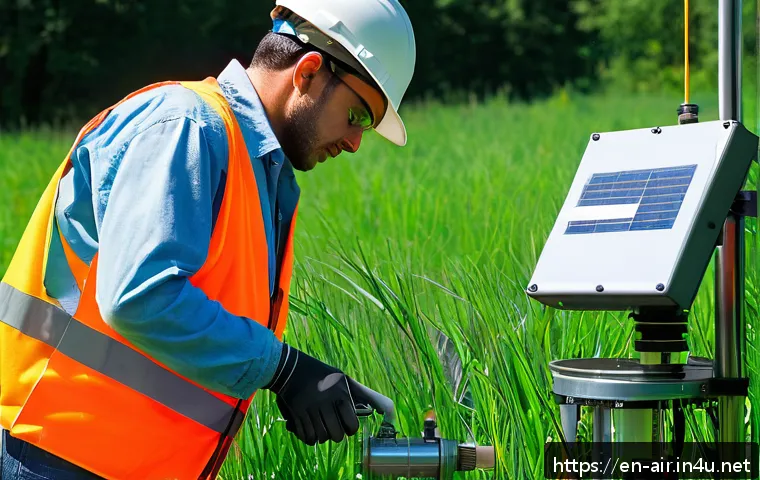
One of the trickier parts was getting comfortable with the various air monitoring methods. I found that breaking down complex technologies into bite-sized pieces was a game-changer.
For example, differentiating between continuous ambient air monitoring systems and manual sampling methods helped me anticipate questions on their applications and limitations.
Personally, I spent extra time watching tutorial videos and reviewing case studies where these methods were used in real communities. This practical context not only prepared me for the exam but also made me feel like I was gaining skills I could use on the job.
Regulatory Frameworks and Standards
Knowing the legal side of air quality can feel overwhelming at first because of the layers of regulations and standards set by agencies like the EPA and local environmental bodies.
What helped me was creating a timeline of major laws and understanding the rationale behind each standard. For instance, the Clean Air Act’s evolution over time reflects growing awareness of different pollutants and health effects.
I focused on the National Ambient Air Quality Standards (NAAQS) and how they influence monitoring and enforcement. Relating these standards back to pollutant types and health impacts made it easier to remember their thresholds and significance during the exam.
Effective Study Techniques Tailored for Air Quality Certification
Active Recall and Spaced Repetition
Instead of passively reading textbooks or slides, I leaned heavily on active recall—quizzing myself on definitions, formulas, and processes without looking at notes.
Pairing this with spaced repetition meant revisiting topics regularly, which helped cement the information in my long-term memory. I used flashcards and apps designed for this technique, and I was surprised how much faster I retained complex material this way.
It’s not just about studying harder, but smarter, and these methods made a noticeable difference in my confidence during the exam.
Simulated Practice Exams and Time Management
Taking practice exams under timed conditions was absolutely crucial. The real exam isn’t just about knowing the content but also managing time effectively.
Early on, I’d rush through questions and miss key details. As I practiced more, I learned to pace myself and flag tougher questions to revisit if time allowed.
Reviewing my mistakes after each practice test was invaluable—it exposed gaps I didn’t realize I had and forced me to revisit weak areas. If you can, try to simulate the exam environment at home to get used to the pressure and build stamina.
Study Groups and Peer Discussions
Studying alone has its merits, but I found that joining a study group brought fresh perspectives and kept me motivated. Sometimes, explaining a concept to someone else made it click in my own mind.
Plus, group members often shared useful resources or tips that I wouldn’t have found on my own. If you’re feeling stuck or overwhelmed, talking through problems with peers can provide clarity and reduce stress, making your study sessions more effective.
Leveraging Technology and Resources
Utilizing Online Platforms and Forums
There’s a wealth of online resources dedicated to air quality and environmental certification. I subscribed to a few specialized forums and LinkedIn groups where professionals share insights and recent regulatory updates.
These platforms often have study materials, webinar announcements, and even informal Q&A threads that helped me stay current. The community aspect also gave me a sense of support and accountability.
Interactive Tools and Visual Aids
Charts, infographics, and interactive simulations made abstract concepts much more approachable. For example, using apps that simulate pollutant dispersion or air quality index calculations helped me understand how variables interact dynamically.
I recommend investing time in these tools because they can transform dry textbook information into something tangible and memorable.
Books and Official Guides
While digital resources are fantastic, I didn’t neglect the power of a solid, well-organized textbook or official certification guides. These often provide the foundational knowledge and practice questions that align closely with the exam format.
I found that having a physical book allowed me to annotate and highlight key passages, which I reviewed repeatedly during my study sessions.
Building a Study Schedule That Works
Breaking Down the Syllabus into Manageable Chunks
When I first looked at the syllabus, it felt like an endless mountain of information. To avoid burnout, I divided the topics into smaller, focused sections with clear daily goals.
This way, I could track my progress and avoid cramming at the last minute. I recommend dedicating specific days to core concepts, regulations, and practice questions separately.
This structure gave me a balanced approach and kept my motivation high.
Incorporating Regular Breaks and Self-Care
Burnout is real, especially with a demanding exam like this. I made sure to build in regular breaks, exercise, and relaxation techniques into my routine.
Even a short walk or meditation session helped clear my mind and improved my concentration when I returned to studying. Remember, your brain needs rest to perform optimally—pushing through fatigue only lowers retention and focus.
Adjusting the Plan Based on Progress
Flexibility was key. Some topics took me longer than expected, and that’s okay. I adjusted my schedule as needed without guilt, focusing more on weaker areas or spending extra time on practice tests closer to the exam date.

This adaptive approach kept me from feeling overwhelmed and ensured I covered everything thoroughly.
Exam Day Strategies to Maximize Performance
Preparation the Night Before
The day before the exam, I avoided heavy studying and instead reviewed summary notes and key formulas. I prepared all my materials in advance—ID, exam confirmation, snacks, and water—so nothing would throw me off on the big day.
Getting a good night’s sleep was non-negotiable; feeling rested made a world of difference in my alertness and stress levels.
Managing Anxiety and Staying Focused
Even with solid preparation, nerves can creep in. I practiced deep breathing exercises before the exam to calm my mind. During the test, I reminded myself to stay present and tackle one question at a time rather than worrying about the entire paper.
This mindset helped me maintain steady focus and boosted my confidence.
Effective Question-Answering Techniques
I approached questions strategically: first answering the ones I was sure about, then carefully reading through the harder ones without rushing. If a question seemed ambiguous, I flagged it and moved on, returning to it after completing the rest.
This approach ensured I maximized points early on and didn’t get stuck wasting time.
Key Topics to Prioritize Based on Exam Trends
Air Quality Indices and Health Impacts
A significant portion of the exam focuses on understanding air quality indices and their relationship to human health. I made it a point to link specific pollutants to their health effects, such as how fine particulate matter can exacerbate respiratory diseases.
Knowing these connections helped me answer scenario-based questions confidently.
Emission Control Technologies
Questions often test knowledge of various pollution control technologies used in industries and vehicles. Familiarity with scrubbers, electrostatic precipitators, catalytic converters, and their operating principles was critical.
I created comparison charts to remember advantages, disadvantages, and typical applications of each technology.
Data Analysis and Interpretation
Many exam questions involve interpreting air quality data, graphs, or monitoring reports. Practicing these analytical skills was essential. I worked on exercises that required calculating averages, identifying trends, and making regulatory compliance judgments based on data sets.
| Topic | Focus Areas | Study Tips |
|---|---|---|
| Pollutants & Sources | Particulate matter, NOx, SO2, Ozone, VOCs | Use real-world examples, create mind maps |
| Monitoring Techniques | Continuous monitoring, manual sampling, sensor types | Watch tutorials, review case studies |
| Regulations & Standards | Clean Air Act, NAAQS, state-specific laws | Make timelines, understand rationale |
| Emission Controls | Scrubbers, filters, catalytic converters | Compare technologies, note pros/cons |
| Data Interpretation | Graphs, indices, compliance analysis | Practice with sample data sets |
Maintaining Motivation and Overcoming Challenges
Setting Realistic Milestones
Breaking the certification goal into smaller milestones was crucial for sustaining motivation. Celebrating small wins—like mastering a tough concept or improving practice test scores—helped keep my spirits up.
It turned the process into a series of achievable steps rather than an intimidating hurdle.
Handling Setbacks and Staying Resilient
There were moments when I struggled with certain topics or felt my progress slow down. Instead of getting discouraged, I reminded myself that setbacks are part of learning.
I switched up my study methods, took short breaks, and sometimes sought help from mentors or online communities. This resilience made all the difference in pushing through tough phases.
Visualizing Success and Future Benefits
Keeping the bigger picture in mind—how this certification would enhance my career and contribute to healthier environments—kept me motivated. I often visualized passing the exam and applying my knowledge in meaningful ways, which added purpose to the grind and made late-night study sessions feel worthwhile.
Closing Thoughts
Mastering the core concepts of air quality is a rewarding journey that combines knowledge, practical skills, and strategic study habits. With focused effort and the right resources, passing the Air Quality Certification Exam becomes an achievable goal. Remember, understanding the real-world impact of what you learn adds purpose and motivation to your preparation. Keep pushing forward, and the results will reflect your dedication.
Helpful Information to Keep in Mind
1. Consistently review key pollutants and their sources to build a strong foundational understanding that applies beyond the exam.
2. Utilize a variety of learning tools like videos, simulations, and practice tests to cater to different learning styles and reinforce retention.
3. Form or join study groups to gain new insights, stay accountable, and make challenging topics more approachable.
4. Balance your study schedule with regular breaks and self-care to maintain mental clarity and prevent burnout.
5. On exam day, prioritize preparation and stress management techniques to optimize your focus and performance under pressure.
Essential Takeaways
Successfully preparing for the Air Quality Certification Exam requires a blend of solid technical knowledge, effective study strategies, and emotional resilience. Breaking down complex subjects into manageable parts, practicing with real data, and understanding regulatory frameworks are vital. Equally important is maintaining motivation through realistic goals and adapting your approach when challenges arise. Ultimately, this holistic method not only prepares you for the exam but equips you with skills that benefit your career and the environment.
Frequently Asked Questions (FAQ) 📖
Q: What are the most effective study techniques for passing the
A: ir Quality Certification Exam? A1: From my experience, combining active learning methods like practice tests with real-world application is key. Instead of just reading, I made flashcards for important concepts and regularly tested myself under timed conditions.
Also, relating the material to daily air quality issues helped solidify my understanding. Don’t underestimate the power of group study sessions either—they provide fresh perspectives and keep motivation high.
Q: How much time should I dedicate to preparing for the
A: ir Quality Certification Exam? A2: It really depends on your background, but I found that setting aside 1 to 2 hours daily over 6 to 8 weeks worked well.
Consistency beats cramming; short, focused study sessions helped me retain information better and reduced stress. Make a realistic schedule based on your other commitments and stick to it—regular review prevents last-minute panic and builds confidence steadily.
Q: What common pitfalls should I avoid while preparing for this certification?
A: One mistake I made early on was trying to memorize everything without understanding core principles. Air quality topics can be complex, so grasping the ‘why’ behind concepts is crucial.
Also, don’t skip practice exams—they reveal knowledge gaps and improve test-taking skills. Lastly, avoid burnout by balancing study with breaks and self-care; staying fresh mentally made a huge difference on exam day.