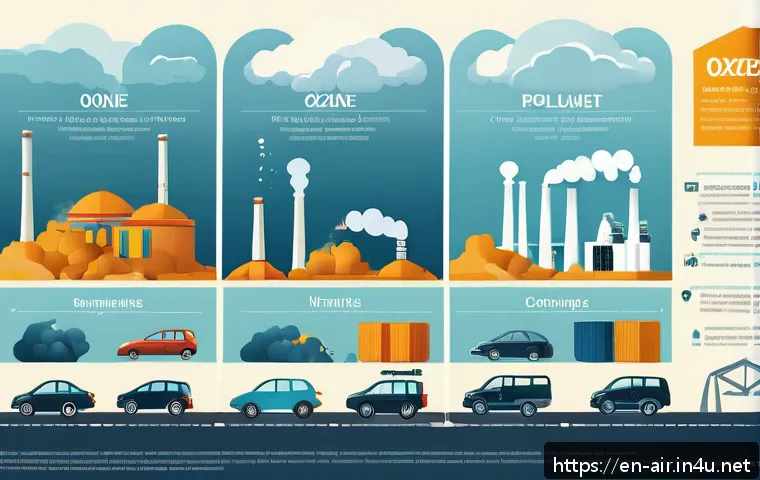
As climate change and urban pollution dominate headlines, the demand for experts who understand both environmental science and air quality management is soaring.

If you’re passionate about making a real impact, combining an environmental science degree with air quality certification could be your game-changer. This powerful blend not only broadens your skill set but also opens doors to diverse career opportunities in public health, policy, and industry.
Whether you’re just starting out or looking to enhance your qualifications, exploring this path can position you at the forefront of a rapidly evolving field.
Let’s dive into how these credentials work together to unlock exciting career prospects.
Bridging Environmental Science and Air Quality Expertise
Understanding the Synergy Between Degrees and Certifications
Combining an environmental science degree with air quality certification isn’t just about stacking credentials—it’s about creating a unique skill set that employers crave.
From my experience, having a strong theoretical foundation in environmental processes helps you grasp the bigger picture, while the air quality certification equips you with practical tools to tackle real-world pollution challenges.
This blend allows you to speak fluently in both scientific and regulatory languages, making you invaluable in interdisciplinary teams. For example, environmental science teaches you about ecosystem dynamics and climate interactions, whereas air quality certification drills down into monitoring techniques, pollutant behavior, and compliance strategies.
Together, they form a comprehensive toolkit for addressing urban pollution effectively.
How This Combination Enhances Problem-Solving Skills
I noticed that professionals who integrate these two qualifications tend to approach problems more holistically. When you understand not only the sources and impacts of pollutants but also the technical methods to measure and control them, your solutions become more robust.
Instead of simply reacting to air quality issues, you anticipate trends based on environmental data and policy shifts. This proactive approach is highly sought after in sectors like public health agencies and environmental consulting firms, where anticipating risks can save communities from harmful exposure.
Plus, this combined knowledge supports innovative project design—whether it’s creating green urban spaces or advising on industrial emission controls—that balances ecological health with human well-being.
Career Flexibility and Market Demand
The job market reflects a growing appetite for this dual expertise. Many organizations prefer candidates who can bridge the gap between scientific research and regulatory compliance.
Jobs range from environmental impact analyst roles to air quality program managers in government, private sector roles focusing on sustainability reporting, and positions within NGOs advocating for cleaner air policies.
The flexibility offered by holding both qualifications means you can pivot across industries and geographies, adapting to evolving environmental priorities.
In my own network, I’ve seen peers transition from academic research to hands-on air quality management roles seamlessly, thanks to this blend of skills.
Key Industries and Roles That Value Combined Expertise
Government and Public Sector Opportunities
Government agencies at local, state, and federal levels are frontline employers for professionals versed in environmental science and air quality. These roles often involve monitoring pollution trends, enforcing regulations, and developing public health advisories.
My conversations with colleagues working in environmental protection departments highlight the importance of having both credentials to navigate complex legislative frameworks while understanding the science behind air pollutants.
These jobs typically require collaboration with multiple stakeholders, including community groups and industry representatives, to design effective air quality improvement plans.
Private Sector and Consulting Firms
In the corporate world, environmental compliance and sustainability consulting are booming fields. Companies increasingly seek experts who can assess environmental risks, conduct air quality modeling, and recommend mitigation strategies that align with regulatory requirements and corporate social responsibility goals.
From what I’ve observed, professionals with combined knowledge tend to excel in client-facing roles, translating scientific data into actionable business advice.
This expertise is especially critical in industries like manufacturing, energy, and construction, where air emissions are a major concern.
Nonprofit and Advocacy Groups
Nonprofits focused on environmental justice and health rely heavily on experts who understand both environmental science and air quality to drive their campaigns.
Having these credentials enables you to analyze data, craft persuasive policy recommendations, and engage with the public effectively. I’ve personally volunteered with such organizations and noticed that the ability to explain complex air pollution issues in relatable terms often hinges on this integrated expertise.
This role can be deeply fulfilling for those passionate about creating systemic change through education and advocacy.
Educational Pathways and Certification Options
Environmental Science Degree Focus Areas
Pursuing an environmental science degree usually involves coursework in biology, chemistry, geology, and atmospheric sciences. Selecting electives or research projects related to air pollution, climate change, or urban ecology can provide a solid foundation for later air quality certification.
I recommend seeking programs with strong lab components and fieldwork opportunities, as hands-on experience is crucial for understanding environmental data collection and analysis.
Additionally, internships with environmental agencies or research institutions can bridge academic knowledge with practical skills.
Air Quality Certification Programs
Air quality certifications vary by region but typically cover topics like pollutant measurement, regulatory frameworks, and control technologies. Certifications such as the Certified Air Quality Professional (CAQP) or those offered by environmental agencies provide targeted training to complement your degree.
I found that preparing for these exams deepened my understanding of air quality standards and monitoring protocols, which are not always covered in depth during undergraduate studies.
Many certification programs also offer continuing education credits, helping you stay current with evolving regulations and technologies.
Integrating Learning for Maximum Impact
One strategy I’ve found effective is aligning your coursework and certification studies. For example, if your degree involves a project on urban pollution, simultaneously pursuing air quality certification allows you to apply theoretical knowledge directly to certification case studies.
This approach not only reinforces learning but also prepares you for practical challenges you’ll face in your career. Networking with peers in certification courses and joining professional organizations can further enhance your learning and open doors to job opportunities.
Technical Skills and Tools That Amplify Your Value
Data Analysis and Modeling Software
Proficiency in software like GIS (Geographic Information Systems), R, or Python for environmental data analysis significantly boosts your marketability.
From my experience, employers expect air quality professionals to handle large datasets, model pollutant dispersion, and visualize trends effectively.
Learning these tools alongside your environmental science curriculum and certification training creates a strong competitive edge. For instance, GIS mapping can help pinpoint pollution hotspots, which is invaluable for both research and policy development.
Field Monitoring and Instrumentation
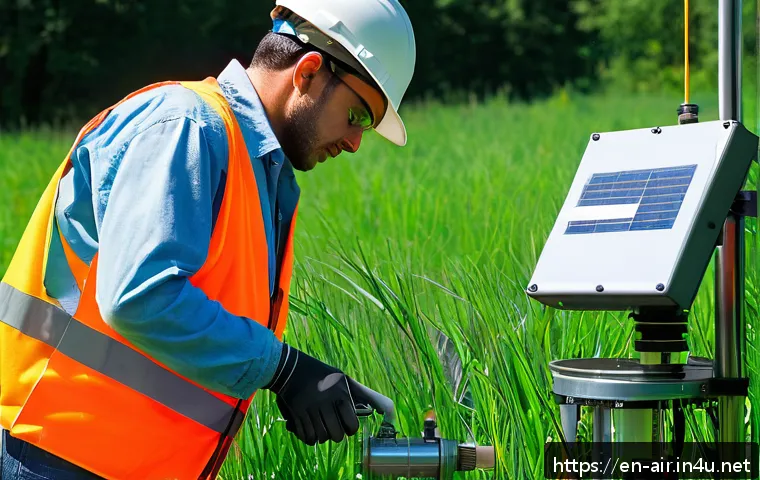
Hands-on experience with air quality monitoring instruments such as particulate matter samplers, gas analyzers, and meteorological sensors is essential.
I remember how mastering these tools during my certification course made a huge difference when I started working on urban air quality assessments. Being comfortable with calibration, maintenance, and troubleshooting equipment ensures data accuracy, which is critical for credible reporting and decision-making.
Regulatory Compliance and Reporting
Understanding the legal frameworks governing air pollution, like the Clean Air Act in the U.S., and being able to prepare compliance reports is a core skill.
I’ve seen many professionals struggle when they lack this knowledge, leading to missed deadlines or penalties for their organizations. Combining your scientific background with regulatory expertise allows you to act as a bridge between technical teams and policymakers, ensuring that air quality initiatives meet all legal requirements.
Comparing Career Prospects and Salary Ranges
| Career Path | Typical Employers | Average Salary (USD) | Key Skills Required |
|---|---|---|---|
| Air Quality Specialist | Government agencies, consulting firms | 65,000 – 85,000 | Air monitoring, data analysis, regulatory knowledge |
| Environmental Consultant | Private sector, engineering firms | 70,000 – 95,000 | Project management, risk assessment, client communication |
| Public Health Analyst | Health departments, NGOs | 60,000 – 80,000 | Environmental health, epidemiology, policy analysis |
| Sustainability Coordinator | Corporations, universities | 55,000 – 75,000 | Sustainability reporting, stakeholder engagement |
| Research Scientist | Universities, research institutes | 70,000 – 100,000 | Scientific research, grant writing, publication |
Networking and Professional Growth Strategies
Joining Professional Associations
Becoming part of organizations like the Air & Waste Management Association (A&WMA) or the National Association of Environmental Professionals (NAEP) can be a game changer.
These groups offer access to conferences, workshops, and certifications that keep you plugged into the latest industry trends. From personal experience, attending these events helped me build relationships with mentors and potential employers, which proved invaluable during job searches and career transitions.
Leveraging Online Platforms and Communities
LinkedIn groups, specialized forums, and webinars focused on air quality and environmental science offer ongoing learning and networking opportunities.
Engaging actively in these spaces allows you to share insights, ask questions, and stay updated on emerging technologies and regulations. I’ve found that contributing thoughtful comments and sharing relevant articles can increase your visibility and establish your expertise among peers.
Continuous Learning and Skill Development
The environmental sector evolves rapidly, so committing to lifelong learning is essential. Subscribing to journals, enrolling in advanced courses, and obtaining additional certifications in areas like climate policy or environmental law can expand your horizons.
Personally, I set yearly goals to learn new software or attend workshops, which helped me stay competitive and confident in my career growth.
Challenges and How to Overcome Them
Balancing Theory and Practice
One of the trickiest parts I faced was bridging the gap between academic knowledge and practical applications in air quality management. It’s easy to get lost in complex scientific models without seeing their real-world impact.
I overcame this by seeking internships and volunteer opportunities that exposed me to fieldwork and regulatory processes, which grounded my understanding and boosted my confidence.
Keeping Up With Regulatory Changes
Air quality standards and environmental policies are continually evolving, making it challenging to stay current. I recommend setting up alerts for regulatory updates and subscribing to newsletters from agencies like the EPA.
Joining professional networks also helps, as peers often share insights about upcoming changes before they become official.
Managing Multidisciplinary Collaboration
Working across different sectors—scientists, policymakers, engineers—can sometimes lead to communication barriers. I learned that developing strong interpersonal skills and the ability to translate technical jargon into plain language is crucial.
Practice active listening and always seek to understand the priorities and concerns of different stakeholders to build trust and foster effective teamwork.
Conclusion
Combining environmental science education with air quality certification creates a powerful skill set that meets today’s environmental challenges head-on. This blend not only enhances your technical abilities but also broadens your career opportunities across diverse sectors. Embracing both theory and practical expertise positions you to make meaningful contributions toward healthier communities and sustainable environments.
Helpful Information to Keep in Mind
1. Pursue internships or volunteer roles early to gain hands-on experience alongside academic learning.
2. Stay updated with evolving air quality regulations by subscribing to official newsletters and alerts.
3. Develop proficiency in data analysis tools like GIS and Python to boost your technical edge.
4. Join professional associations to expand your network and access exclusive career resources.
5. Balance ongoing education with real-world application to maintain relevance and adaptability in your field.
Key Takeaways
Mastering both environmental science and air quality certification equips you with a comprehensive understanding of pollution issues and regulatory compliance. This dual expertise enhances problem-solving skills, career flexibility, and marketability across government, private, and nonprofit sectors. Prioritizing continuous learning and practical experience is essential to navigate the complexities of this multidisciplinary field successfully.
Frequently Asked Questions (FAQ) 📖
Q: uestionsQ1: How does combining an environmental science degree with air quality certification enhance my career prospects?
A: Pairing these qualifications sets you apart by demonstrating both a strong scientific foundation and practical expertise in managing air pollution. This combination is highly valued in sectors like public health, government agencies, environmental consulting, and industry compliance.
From my experience, having both credentials made it easier to land roles that require not only understanding environmental data but also applying regulatory standards effectively.
It shows employers you’re ready to tackle real-world challenges in air quality management.
Q: What types of jobs can I pursue with this blend of education and certification?
A: With an environmental science degree plus air quality certification, you can explore roles such as Air Quality Specialist, Environmental Consultant, Regulatory Affairs Manager, Public Health Advisor, and even positions in policy development.
In my case, this combination opened doors to working on community health projects and advising companies on reducing emissions. The skill set fits well in government agencies like the EPA, private firms focused on sustainability, and nonprofits tackling urban pollution.
Q: Is it difficult to obtain air quality certification after completing an environmental science degree?
A: It’s definitely manageable, but the challenge depends on the certification you choose. Many certifications require passing an exam that covers air pollution regulations, monitoring techniques, and control strategies.
Having an environmental science background gives you a significant advantage because you’re already familiar with core concepts. Personally, studying for the certification exam felt like a natural extension of what I learned in college, though dedicating time to understand specific regulations was key.
Preparing with real-world case studies helped me pass confidently.