Switching careers in the environmental field can be both exciting and challenging. Whether you’re aiming to move into air quality management, environmental consulting, or regulatory roles, having a clear plan is essential.

Understanding industry demands, updating your skills, and networking strategically can make all the difference. I’ve been through the process myself, and the right preparation truly sets you up for success.
Let’s dive into the key steps you need to take to navigate this transition smoothly and confidently! We’ll explore everything in detail below.
Understanding the Core Skills Needed for Air Quality Roles
Technical Knowledge and Certification Essentials
Mastering the technical side is non-negotiable when switching into air quality management. You need to become comfortable with air pollution measurement techniques, emission inventory development, and interpreting complex data sets.
Certifications such as the Certified Air Quality Professional (CAQP) or training in EPA methodologies can significantly boost your credibility. From my experience, investing time in these certifications not only sharpens your expertise but also signals your commitment to employers, which is a huge plus during interviews.
Soft Skills That Make a Difference
While technical skills open the door, soft skills help you walk through it with confidence. Effective communication is crucial because you’ll often need to explain complex environmental data to non-specialists or regulatory bodies.
Problem-solving and critical thinking come into play daily when addressing compliance issues or unexpected pollution events. I found that honing these skills through workshops or real-world scenarios before switching roles made the transition feel smoother and helped me stand out in a crowded job market.
Leveraging Experience from Related Fields
If your background isn’t directly in environmental science, don’t worry. Skills from adjacent fields like chemistry, engineering, or even data analysis can be highly transferable.
For example, my knowledge of statistical software from a previous role helped me analyze air quality trends more effectively. Highlighting these overlaps in your resume and interviews can bridge gaps and reassure hiring managers of your capability to adapt quickly.
Mapping Out Industry Demands and Trends
Emerging Technologies and Their Impact
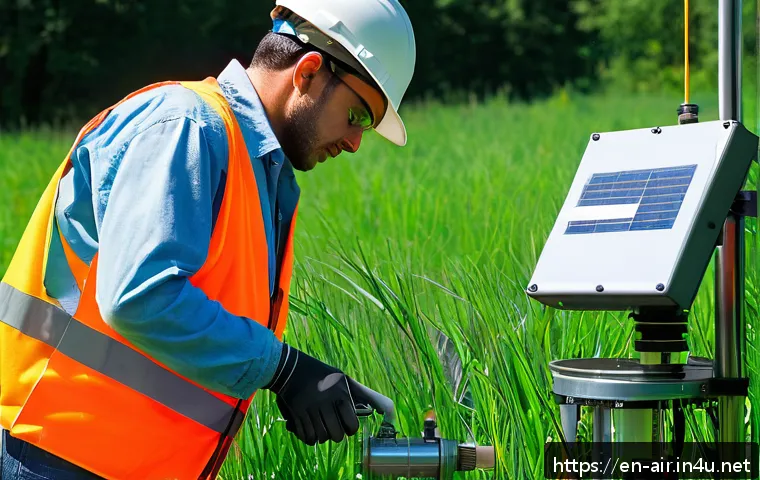
Air quality management is rapidly evolving with new technologies like remote sensing, IoT sensors, and AI-driven data analytics becoming mainstream. Staying ahead means actively following industry news, participating in webinars, and experimenting with these tools if possible.
Personally, I made it a point to familiarize myself with drone-based air monitoring early on, which later became a talking point in job discussions and gave me a competitive edge.
Regulatory Landscape and Compliance Focus
Regulations shape the air quality field profoundly, with agencies continuously updating standards to address climate change and public health concerns.
Understanding current and upcoming regulations, such as the Clean Air Act amendments or local air quality ordinances, is essential. I recommend subscribing to regulatory update newsletters and joining professional groups where such changes are discussed regularly.
This knowledge not only helps in job roles but also in networking conversations, showing you’re proactive and well-informed.
Job Market Realities and Demand Hotspots
Certain regions and industries have a higher demand for air quality professionals—think urban centers with heavy industrial activities or states prioritizing green initiatives.
Researching job boards and industry reports reveals where opportunities are most abundant. When I switched careers, targeting cities known for environmental innovation helped me find openings faster and land roles that aligned with my goals.
Strategic Skill Development and Learning Paths
Formal Education vs. Self-Learning
Deciding between enrolling in a degree or certificate program and self-study depends on your timeline and budget. Formal education provides structured learning and credentials, which can be critical for regulatory jobs.
However, self-learning through online courses, tutorials, and hands-on projects can accelerate skill acquisition, especially if you already have a related background.
I personally blended both approaches, taking an online air quality course while attending local seminars, which balanced cost and learning depth effectively.
Building a Hands-On Portfolio
Nothing beats practical experience when convincing employers of your capabilities. Volunteering for community air monitoring projects, contributing to environmental data analysis, or even creating case studies based on public datasets can showcase your skills tangibly.
I created a small project analyzing local air pollution data and shared it on LinkedIn; this not only sharpened my skills but also caught the attention of recruiters.
Continuous Learning and Skill Refreshing
The environmental field changes fast, so staying current is a must. Regularly revisiting your knowledge and upgrading skills through refresher courses or certifications keeps you competitive.
I’ve found setting a yearly learning goal—like mastering a new software or understanding updated regulations—helps me stay motivated and relevant.
Networking and Building Professional Connections
Joining Professional Associations
Associations like the Air & Waste Management Association (AWMA) or local environmental groups offer valuable networking platforms. Becoming an active member by attending meetings, volunteering, or presenting can expand your professional circle and expose you to job leads.
From my experience, face-to-face interactions at conferences or workshops often lead to opportunities that don’t appear on job boards.
Leveraging Social Media and Online Communities
LinkedIn, specialized forums, and environmental groups on platforms like Reddit or Facebook are gold mines for networking. Engaging in discussions, sharing insights, and connecting with industry leaders can raise your profile.
I once connected with a senior air quality consultant through LinkedIn who later referred me to a position—showing how online presence can translate to real-world gains.

Informational Interviews and Mentorship
Reaching out for informational interviews helps you gather insider knowledge and build relationships without the pressure of job applications. Finding a mentor who’s experienced in air quality roles can provide guidance tailored to your career goals.
I benefited greatly from a mentor who reviewed my resume and gave candid advice about industry expectations, which made my applications much stronger.
Effective Job Search and Application Strategies
Tailoring Resumes and Cover Letters
Crafting documents that highlight relevant skills, certifications, and experience in air quality management is critical. Use keywords from job descriptions and quantify achievements when possible.
I learned that emphasizing specific projects, like emission reduction initiatives I contributed to, caught recruiters’ eyes more than generic statements.
Preparing for Technical and Behavioral Interviews
Interview preparation should cover both technical questions about air quality principles and behavioral questions assessing your problem-solving and teamwork skills.
Practicing with mock interviews or industry-specific question banks builds confidence. I remember rehearsing explaining complex air quality models in simple terms, which helped me communicate effectively during my interviews.
Negotiating Offers and Understanding Compensation Trends
Knowing the typical salary ranges and benefits in your target roles empowers you to negotiate better. Research tools like Glassdoor or Payscale can provide insights.
When I received my first offer in air quality management, being informed about market rates helped me secure a fair salary and additional professional development support.
Organizing Your Transition Timeline and Milestones
Setting Realistic Goals and Deadlines
Breaking down your career switch into manageable steps with clear deadlines keeps momentum going. For example, allocate time for certifications, networking events, and job applications each month.
I found using a planner to track these milestones reduced overwhelm and made progress visible.
Balancing Current Job and Transition Activities
Managing your existing job responsibilities while preparing for a new career can be tricky. Prioritizing tasks and setting boundaries to focus on learning or networking during specific hours helped me maintain performance without burnout.
Monitoring Progress and Adjusting Plans
Regularly reviewing your progress against goals allows you to pivot strategies if needed. If networking isn’t yielding results, perhaps more active engagement or a different approach is necessary.
I scheduled monthly check-ins with myself to assess what was working and tweak my plan accordingly.
Summary of Key Preparation Components
| Preparation Area | Key Actions | Benefits |
|---|---|---|
| Technical Skills | Complete certifications, learn measurement methods, practice data analysis | Builds expertise, improves job competitiveness |
| Industry Knowledge | Follow regulations, study emerging tech, research job hotspots | Stays current, targets job search effectively |
| Networking | Join associations, engage on social media, seek mentorship | Expands connections, uncovers hidden opportunities |
| Application Materials | Customize resumes, prepare for interviews, negotiate offers | Enhances hiring chances, secures fair compensation |
| Transition Planning | Set goals, manage time, track progress | Keeps process organized, reduces stress |
Conclusion
Transitioning into air quality roles demands a blend of technical expertise, continuous learning, and strategic networking. Embracing both hard and soft skills will open doors and help you thrive in this evolving field. With dedication and the right approach, you can confidently navigate your career switch and make a meaningful impact on environmental health.
Useful Tips to Keep in Mind
1. Prioritize certifications that are widely recognized in the air quality sector to boost your credibility and open more job opportunities.
2. Practice explaining technical concepts in simple terms—this skill is invaluable when communicating with stakeholders outside your field.
3. Stay updated on emerging technologies like IoT sensors and AI, as they are shaping the future of air quality management.
4. Actively engage in professional communities and social media to build connections that can lead to job referrals or mentorship.
5. Set clear, achievable milestones for your career transition to maintain momentum and reduce overwhelm throughout the process.
Key Takeaways
Successfully moving into air quality roles requires a solid foundation of technical skills combined with effective communication and problem-solving abilities. Keeping pace with industry regulations and technological advancements ensures you remain competitive and informed. Building a strong professional network and tailoring your job application materials significantly improve your chances of landing the right position. Lastly, organizing your transition with clear goals and regular progress checks makes the journey manageable and rewarding.
Frequently Asked Questions (FAQ) 📖
Q: What are the most important skills to develop when switching to a career in environmental management?
A: From my experience, focusing on both technical and soft skills is crucial. On the technical side, gaining knowledge in data analysis, environmental regulations, and specific tools like GIS or air quality monitoring software really sets you apart.
Soft skills such as effective communication, project management, and problem-solving are equally important because you’ll often need to explain complex environmental issues to non-experts or coordinate with diverse teams.
I found that taking specialized courses and volunteering on relevant projects helped me build these skills practically.
Q: How can I effectively network within the environmental industry to support my career switch?
A: Networking can feel intimidating at first, but it’s all about building genuine connections. I recommend attending industry conferences, webinars, and local environmental group meetings.
Don’t just collect business cards—engage in conversations, ask questions, and share your own journey. LinkedIn is also a powerful tool; join relevant groups, participate in discussions, and reach out to professionals for informational interviews.
When I switched careers, these connections opened doors to mentorships and job leads that I wouldn’t have found otherwise.
Q: What steps should I take to stay updated with industry demands and trends during my career transition?
A: Staying current is key, and I made it a habit to regularly read industry publications, government updates, and scientific journals related to environmental science and policy.
Subscribing to newsletters from organizations like the EPA or environmental consulting firms gave me insights into emerging regulations and technologies.
Additionally, joining professional associations provided access to workshops and certifications that employers value. This continuous learning not only boosted my confidence but also made my resume stand out when I applied for roles.