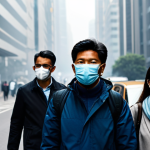
Ever felt like the air quality reports are just a bunch of numbers that don’t really tell you anything? I’ve been there. Working in environmental management, I’ve seen firsthand how crucial it is to understand these issues, especially with new technologies and regulations constantly popping up.
From navigating complex air pollution control systems to understanding the impact of emerging contaminants, the challenges are real and constantly evolving.
It’s not just about ticking boxes; it’s about creating a healthier, sustainable environment for everyone. Let’s delve into the key practical tasks in the field of air quality management below.
Alright, let’s dive into this!
Navigating Air Permitting and Compliance

Air permitting can feel like wading through alphabet soup. I remember when I first started, I was completely overwhelmed by the acronyms and the sheer volume of regulations.
It’s more than just filling out forms; it’s about demonstrating that your operations won’t harm the environment or public health. Think of it as proving you’re a good neighbor.
Ensuring compliance is the ongoing part, where you keep proving it. I’ve seen companies struggle with this, especially when regulations change or equipment malfunctions.
Understanding the Basics of Air Permits
Air permits are legal documents that outline the conditions under which a facility can operate and emit air pollutants. Each permit is tailored to the specific facility and its operations, taking into account factors such as the type and amount of pollutants emitted, the control technologies used, and the surrounding environment.
Keeping Up with Compliance Requirements
Compliance isn’t just a one-time thing; it’s an ongoing process. This involves regular monitoring, record-keeping, and reporting to ensure that your facility is operating within the limits set forth in your permit.
I once had a client who almost got fined because they missed a reporting deadline. Now, I always set up reminders and double-check everything.
Leveraging Technology for Efficient Air Permitting
Technology can be a game-changer in air permitting and compliance. From electronic reporting systems to real-time monitoring devices, there are plenty of tools available to help you streamline your processes and stay on top of your obligations.
I’ve seen facilities reduce their reporting time by half just by switching to an electronic system.
Mastering Air Pollution Control Technologies
Alright, let’s get into the nuts and bolts of controlling air pollution. It’s one thing to talk about regulations; it’s another to actually implement the technologies that keep our air clean.
Think of it as being a mechanic for the environment.
Exploring Various Air Pollution Control Devices
Air pollution control devices are the workhorses of our industry. They come in all shapes and sizes, each designed to remove specific pollutants from the air.
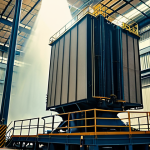
Some of the most common devices include scrubbers, filters, and electrostatic precipitators. I remember touring a power plant once and being amazed by the sheer scale of these devices.
Optimizing Control Technologies for Maximum Efficiency
It’s not enough to just install a control device; you need to make sure it’s working efficiently. This involves regular maintenance, monitoring, and adjustments to ensure that the device is removing the maximum amount of pollutants.
I once helped a client optimize their scrubber system, and we were able to increase its efficiency by 20%.
Troubleshooting and Maintenance of Air Pollution Control Systems
Like any mechanical system, air pollution control devices can experience problems. From clogged filters to corroded components, there are plenty of things that can go wrong.
That’s why it’s important to have a solid troubleshooting and maintenance plan in place. I always recommend having a backup plan in case of unexpected breakdowns.
Conducting Air Quality Monitoring and Modeling
This is where science meets policy. Air quality monitoring and modeling help us understand the sources and impacts of air pollution. I like to think of it as being a detective, piecing together clues to solve the mystery of where pollution is coming from and how it affects us.
Setting Up and Maintaining Air Quality Monitoring Networks
Air quality monitoring networks are the eyes and ears of our profession. They consist of a network of monitoring stations that collect data on air pollutants.
Setting up and maintaining these networks requires careful planning, calibration, and quality control. I remember once spending weeks troubleshooting a malfunctioning monitoring station in the middle of the desert.
Utilizing Air Quality Models to Predict Pollution Levels
Air quality models use mathematical equations to simulate the transport and transformation of air pollutants. These models can be used to predict pollution levels under different scenarios, such as changes in emissions or weather patterns.
I’ve used these models to assess the impact of new industrial facilities on air quality and to develop strategies for reducing pollution levels.
Interpreting Air Quality Data and Communicating Findings
Air quality data is only useful if it’s interpreted and communicated effectively. This involves analyzing the data, identifying trends, and presenting the findings in a clear and concise manner.
I’ve presented air quality data to policymakers, community groups, and the media, and I always try to tailor my message to the audience.
Managing Emerging Air Contaminants
The world is constantly changing, and so are the types of pollutants we need to worry about. Emerging air contaminants are new or previously unrecognized pollutants that can pose a risk to human health or the environment.
Think of it as being on the cutting edge of environmental science.
Identifying and Assessing Emerging Air Contaminants
Identifying and assessing emerging air contaminants requires a combination of scientific research, risk assessment, and regulatory analysis. We need to understand the sources, properties, and potential impacts of these pollutants before we can develop effective strategies for managing them.
I’ve worked on projects to assess the risks of nanomaterials and perfluorinated compounds in the air.
Developing Strategies for Controlling Emerging Air Contaminants
Controlling emerging air contaminants often requires innovative approaches and new technologies. This may involve developing new control devices, modifying existing regulations, or implementing voluntary programs.
I’ve seen companies take proactive steps to reduce their emissions of emerging contaminants, even before regulations are in place.
Staying Informed about New Research and Regulations
The field of emerging air contaminants is constantly evolving, so it’s important to stay informed about new research and regulations. This involves reading scientific journals, attending conferences, and participating in professional organizations.
I make it a point to read at least one new article on emerging contaminants every week.
Applying Sustainable Practices in Air Quality Management

It’s about more than just compliance; it’s about finding ways to improve air quality while also promoting economic and social well-being. It’s about making choices that are good for both the environment and the bottom line.
I see it as creating a win-win situation for everyone.
Implementing Energy Efficiency Measures to Reduce Air Pollution
Energy efficiency is a key component of sustainable air quality management. By reducing energy consumption, we can reduce emissions from power plants and other sources.
This can involve implementing energy-efficient technologies, promoting energy conservation, and supporting renewable energy sources. I’ve helped companies implement energy efficiency programs that have not only reduced their emissions but also saved them money on their energy bills.
Promoting Green Transportation Options to Minimize Emissions
Transportation is a major source of air pollution, so promoting green transportation options is crucial. This can involve encouraging the use of public transportation, promoting bicycling and walking, and supporting the adoption of electric vehicles.
I’ve worked on projects to develop bike-sharing programs and to install electric vehicle charging stations.
Encouraging Community Engagement and Education
Community engagement and education are essential for building support for sustainable air quality management. This involves informing the public about air quality issues, involving them in decision-making processes, and encouraging them to take actions to reduce their own emissions.
I’ve organized community workshops and public forums to discuss air quality issues and to solicit feedback on proposed solutions. Here’s a table summarizing some common air pollution control technologies:
| Technology | Pollutants Controlled | Description | Typical Applications |
|---|---|---|---|
| Scrubbers | Particulate matter, sulfur dioxide, acid gases | Use liquid to remove pollutants from exhaust streams | Power plants, chemical processing facilities |
| Filters | Particulate matter | Use physical barriers to trap particles | Manufacturing plants, cement kilns |
| Electrostatic Precipitators (ESPs) | Particulate matter | Use electrical charge to remove particles | Power plants, pulp and paper mills |
| Catalytic Converters | Nitrogen oxides, carbon monoxide, hydrocarbons | Use catalysts to convert pollutants into less harmful substances | Vehicles, industrial processes |
| Adsorption Systems | Volatile organic compounds (VOCs) | Use solid materials to adsorb VOCs from exhaust streams | Printing facilities, coating operations |
Advocating for Air Quality Policy and Regulations
You have to stay on top of changes and advocate for policies that protect public health and the environment. It’s about speaking up for clean air and ensuring that our voices are heard by policymakers.
I feel like we have a responsibility to advocate for a healthier future.
Understanding the Regulatory Framework for Air Quality Management
The regulatory framework for air quality management is complex and constantly evolving. It’s important to understand the different laws, regulations, and policies that govern air pollution control and to stay informed about any changes.
I’ve spent countless hours studying air quality regulations and working with policymakers to develop effective policies.
Participating in the Rulemaking Process
The rulemaking process is the process by which new regulations are developed and implemented. Participating in this process can involve submitting comments on proposed rules, attending public hearings, and working with policymakers to develop workable solutions.
I’ve testified before regulatory agencies and provided technical expertise to policymakers on air quality issues.
Lobbying for Stronger Air Quality Standards
Lobbying is the process of advocating for specific policies or regulations. Lobbying for stronger air quality standards can involve meeting with policymakers, organizing grassroots campaigns, and working with advocacy groups.
I’ve worked with environmental organizations to lobby for stronger air quality standards and to oppose rollbacks of existing regulations.
Utilizing Data Analytics and Visualization in Air Quality Management
We’re swimming in data, so we need to know how to make sense of it. Data analytics and visualization can help us identify trends, patterns, and anomalies in air quality data.
It’s like having a superpower that allows us to see things that others can’t.
Applying Statistical Analysis to Air Quality Data
Statistical analysis can be used to identify trends, patterns, and correlations in air quality data. This can help us understand the sources and impacts of air pollution and to evaluate the effectiveness of control strategies.
I’ve used statistical analysis to assess the impact of traffic congestion on air quality and to identify areas with high levels of pollution.
Creating Informative Visualizations to Communicate Air Quality Information
Visualizations can be a powerful tool for communicating air quality information to the public. This can involve creating maps, charts, and graphs that show air pollution levels, trends, and impacts.
I’ve created visualizations for websites, reports, and presentations to help people understand air quality issues and to take action to protect their health.
Using Geographic Information Systems (GIS) for Spatial Analysis
GIS can be used to analyze the spatial distribution of air pollution and to identify areas that are most vulnerable to its impacts. This can help us target resources and implement control strategies in the areas where they are needed most.
I’ve used GIS to map air pollution levels, to identify sensitive populations, and to assess the impact of land use patterns on air quality. Navigating the complexities of air quality management is undoubtedly a journey, but one that’s absolutely critical for our well-being and the health of our planet.
I’ve shared insights, personal experiences, and practical strategies to help you navigate this field effectively. Remember, every effort, no matter how small, contributes to cleaner air for all.
In Conclusion
Diving into air quality management can feel like a deep dive, but it’s so worth it. From grappling with air permits to mastering pollution control and keeping up with new contaminants, it’s a field where we can really make a difference. I hope these insights and tips help you tackle air quality challenges with confidence and drive positive change in your community and beyond.
Remember, this isn’t just about following rules, it’s about creating a healthier, more sustainable world for future generations. By staying informed, embracing sustainable practices, and advocating for effective policies, we can all play a role in ensuring cleaner, healthier air for everyone. Let’s keep the conversation going and continue to work together towards a brighter, cleaner future.
Let’s collaborate for clean air, combining our efforts and expertise to create real, sustainable change for the future.
Useful Information to Know
1. EPA Resources: The Environmental Protection Agency (EPA) provides extensive resources on air quality, regulations, and compliance. Check out their website for guidance documents, training materials, and regulatory updates.
2. Local Air Quality Agencies: Many states and local governments have air quality agencies that can provide assistance with permitting, compliance, and enforcement. Contact your local agency for specific requirements and resources.
3. Professional Organizations: Organizations like the Air & Waste Management Association (A&WMA) offer networking opportunities, training courses, and conferences on air quality management. Consider joining to stay up-to-date on the latest developments.
4. Consulting Services: Air quality consultants can provide expertise on permitting, compliance, monitoring, and modeling. Hire a consultant to help you navigate complex regulatory requirements and develop effective control strategies.
5. Technology Vendors: Technology vendors offer a wide range of equipment and software for air quality monitoring, modeling, and control. Research different vendors and solutions to find the best fit for your needs.
Key Takeaways
* Air Permitting: Understand the basics of air permits and compliance requirements to avoid fines and ensure operational continuity.
* Control Technologies: Familiarize yourself with various air pollution control devices and optimize their performance for maximum efficiency.
* Monitoring & Modeling: Utilize air quality monitoring and modeling to identify pollution sources and assess impacts.
* Emerging Contaminants: Stay informed about emerging air contaminants and develop strategies for controlling them.
* Sustainability: Apply sustainable practices to reduce air pollution and promote energy efficiency and green transportation.
* Advocacy: Advocate for air quality policies and regulations and participate in the rulemaking process.
* Data Analytics: Use data analytics and visualization to interpret air quality data and communicate findings effectively.
Frequently Asked Questions (FAQ) 📖
Q: What’s the first step someone should take when they’re trying to improve air quality in their own home?
A: Honestly, the very first thing I did when I moved into my slightly-older house was get it inspected for asbestos and radon. A lot of people don’t think about it, but if you live in an older building (especially pre-1980s), those can be serious problems.
Aside from that, investing in a decent HEPA air purifier for your main living spaces is a game-changer. I swear, my allergies have been so much better since I got one!
Don’t forget to change the filters regularly, or it’s just a fancy fan.
Q: I keep hearing about “PM2.5” and “PM10” – what the heck are they and why should I care about them?
A: Okay, picture this: you’re at a dusty construction site. That gritty stuff floating in the air? That’s particulate matter.
PM2.5 and PM10 are just categories of how small those particles are – 2.5 micrometers and 10 micrometers, respectively. The smaller they are, the deeper they can get into your lungs and bloodstream, causing all sorts of respiratory and cardiovascular problems.
I’ve seen studies linking long-term exposure to these particles to increased risk of asthma, heart disease, and even cancer. So, keep an eye on those numbers in your local air quality reports – it’s your health we’re talking about!
Q: I live in a city and it seems like there’s always a “Spare the
A: ir” alert. Besides staying inside, what practical things can I actually do to help improve air quality in my community? A3: Dude, I feel your pain!
Living in the Bay Area, those “Spare the Air” days are a constant reminder. Beyond staying indoors, think about your daily habits. Carpool, bike, or take public transit whenever possible – every little bit helps reduce emissions.
Switching to energy-efficient appliances and using less electricity can also make a difference. But honestly, the biggest impact comes from advocating for cleaner energy policies and supporting local initiatives that promote sustainable transportation and industry.
It’s about making a collective effort to demand cleaner air for everyone. Plus, plant some trees! They’re natural air filters and just make the neighborhood look nicer.
📚 References
Wikipedia Encyclopedia
구글 검색 결과
구글 검색 결과
구글 검색 결과
구글 검색 결과
구글 검색 결과