7 Shocking Air Pollutants You’re Breathing Daily (And How They Affect You)

webmaster

대기오염물질 종류 및 특성 정리 - **Prompt:** A young child, around 8 years old, with diverse ethnicity, wearing a light, comfortable ...

Hey there, amazing people! Have you ever stepped outside, taken a deep breath, and just felt… something wasn’t quite right?

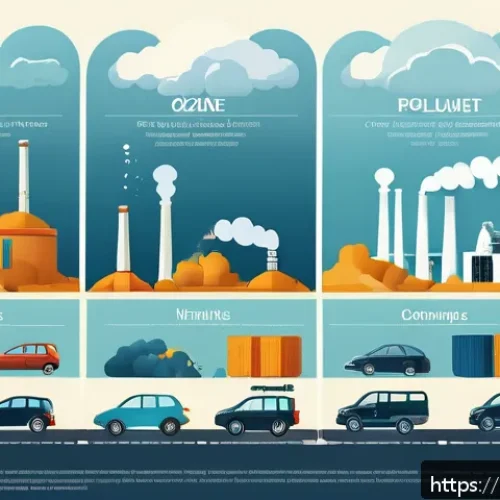
대기오염물질 종류 및 특성 정리 관련 이미지 1

I know I have. It’s a subtle sensation, but sometimes you can literally taste the difference in the air, or spot that hazy blur clinging to the horizon.

It’s easy to shrug it off and just continue our day, but what exactly are we breathing in? And how is this invisible adversary silently impacting our health, our families, and our beautiful planet?

This isn’t just about those dramatic images of smog-choked megacities anymore; air pollution is a real and immediate concern touching communities everywhere, from the busiest urban hubs to what seem like the most pristine rural escapes.

We constantly hear terms like ‘PM2.5’ or ‘ozone’ tossed around in the news, but do we truly understand what these pollutants are actually made of, where they originate, and the specific toll they’re taking on our bodies and our environment?

From my personal experience, getting a clearer, more precise picture has been an absolute game-changer for making smarter, healthier choices in my daily life.

Understanding these pervasive, often overlooked threats is genuinely the first crucial step towards truly protecting ourselves and forging a healthier future.

So, if you’re ready to peel back the layers and truly grasp the intricate world of air pollutants and their unique characteristics, then let’s get into the nitty-gritty and find out exactly what you need to know, right now!

Unmasking the Invisible Invaders: Key Air Pollutants Explained

The Sneaky Suspect: Particulate Matter (PM2.5 and PM10)

You know, sometimes I’ll look out my window on a seemingly clear day and still feel that subtle tickle in my throat, or notice a slight haziness in the distance. That’s often the handiwork of particulate matter, or PM. We usually talk about PM2.5 and PM10, and let me tell you, understanding the difference is crucial. PM2.5 refers to tiny particles, 2.5 micrometers in diameter or smaller – we’re talking about particles 30 times smaller than the average human hair! These microscopic specks are small enough to bypass our body’s natural defenses and burrow deep into our lungs, even crossing into our bloodstream. I’ve personally felt the difference on days with high PM2.5 counts; my breathing feels heavier, and my allergies flare up like crazy. PM10, on the other hand, includes slightly larger particles, up to 10 micrometers. While still incredibly small, they tend to get trapped in our upper respiratory tract, often causing irritation and coughing. Both types can come from a dizzying array of sources, from vehicle exhaust and industrial emissions to construction dust and even natural sources like forest fires. The scariest part, for me, is just how pervasive and invisible these silent threats truly are, making it all the more important to stay informed about local air quality.

The Ground-Level Threat: Ozone (O3)

When most people hear “ozone,” they often think of that protective layer way up in the stratosphere, shielding us from harmful UV rays. And they’d be right! But here’s the kicker: ozone can also form right down here at ground level, and that’s a whole different ball game. This “bad ozone” isn’t directly emitted; instead, it’s a secondary pollutant, created when sunlight reacts with other pollutants like nitrogen oxides (NOx) and volatile organic compounds (VOCs) – things that spew out of cars, power plants, and even certain paints and solvents. I remember one particularly sunny summer when the air quality alerts were constantly for high ozone, and I distinctly felt a burning sensation in my lungs after even a short walk outside. It’s a powerful oxidant, meaning it literally “burns” sensitive lung tissue, leading to coughing, throat irritation, and even reduced lung function. For someone like me who loves spending time outdoors, understanding ground-level ozone has been a real eye-opener, making me more mindful of when and where I choose to exercise, especially during peak afternoon hours in the warmer months. It’s a reminder that not all “natural” reactions in the atmosphere are benign.

The Silent Assault: How Air Pollution Harms Your Health

Beyond the Lungs: Cardiovascular and Systemic Impacts

When we talk about air pollution’s health effects, our minds often jump straight to respiratory issues, right? And for good reason! But what truly startled me when I dug deeper was discovering just how far-reaching the damage really is, extending far beyond our lungs. It turns out that those tiny PM2.5 particles, once they make their way into our bloodstream, can trigger inflammation and oxidative stress throughout the body. Think of it like a persistent, low-grade attack on your internal systems, similar to a chronic infection but without a pathogen. This constant internal stress can significantly increase the risk of heart attacks, strokes, and other cardiovascular diseases. I mean, who would have thought that the air we breathe could directly impact our heart health in such a profound way, almost like a hidden assailant? It’s a sobering thought and has certainly made me reconsider the cumulative effect of those “bad air days” on my overall well-being. From what I’ve learned, it’s not just about immediate symptoms but the long-term, insidious wear and tear on our most vital organs, contributing to a host of systemic problems we might not even associate with air quality.

Everyday Symptoms and Chronic Conditions: A Personal Toll

I’ve personally experienced how air quality can instantly affect my day. On days with high pollution, I often feel a tightness in my chest, my eyes get watery and itchy, and my nose feels congested, even if I haven’t been near any known allergens. It’s truly frustrating because it makes even simple outdoor activities feel like a chore, robbing me of the joy of fresh air. For some, these immediate symptoms are just the tip of the iceberg. Chronic exposure to air pollution is linked to a frightening array of long-term health problems, including exacerbated asthma, chronic bronchitis, and even lung cancer. Children are particularly vulnerable, as their developing lungs are more susceptible to damage, which can lead to lifelong respiratory issues like reduced lung growth and increased risk of infections. I often think about parents with young kids living in heavily polluted areas, and my heart goes out to them. It’s not just about the visible smog; it’s about the invisible burden that silently chips away at health, leading to reduced quality of life and, in severe cases, premature death. This realization really drove home the urgency of understanding and addressing this issue for my own well-being and that of my loved ones, inspiring me to seek out protective measures.

Advertisement

Beyond Our Lungs: Air Pollution’s Environmental Footprint

A Hazy Future for Ecosystems

It’s easy to focus on our immediate health when discussing air pollution, and rightly so. But step back for a moment and think about the broader picture – our planet. Air pollution doesn’t just dissipate into thin air; it falls back down to Earth, often far from its original source, creating a domino effect on natural ecosystems. I’ve read countless reports about how acid rain, a direct consequence of sulfur dioxide and nitrogen oxides in the atmosphere, can devastate vast forests and acidify lakes, making them uninhabitable for fish and other aquatic life. It’s heartbreaking to imagine once-thriving ecosystems struggling to survive because of what we release into the air from our cars and factories. This isn’t just some abstract scientific concept; it’s happening in real time, impacting biodiversity, altering delicate ecological balances, and threatening the very foundations of our natural world. We’re talking about trees losing their vital nutrients, soil becoming infertile, and entire food webs being disrupted, leading to a cascade of negative effects that can be incredibly difficult, if not impossible, to reverse. It truly makes me reflect on our profound responsibility as temporary inhabitants of this planet and how our daily actions, both big and small, ripple out to affect the natural world around us.

Impacts on Climate and Visibility: A Global Concern

Beyond local environmental damage, air pollutants are deeply intertwined with global climate change. Many of the same emissions that cause air pollution, like carbon dioxide and methane, are also potent greenhouse gases, trapping heat in our atmosphere and contributing to global warming. Then there are aerosols, tiny particles that can either reflect sunlight back into space, causing a cooling effect, or absorb it, leading to warming – it’s a truly complex and dynamic system. It’s a complex dance, but the bottom line is that our air quality and climate are inextricably linked, meaning that efforts to improve one often benefit the other. And let’s not forget the purely aesthetic impact – reduced visibility. I remember traveling through a beautiful mountain range once, only to find the stunning vistas obscured by a persistent, dirty haze. It felt like a theft of natural beauty, a veil drawn over something magnificent. This reduced visibility, often caused by fine particulate matter, not only detracts from our enjoyment of nature and outdoor activities but can also impact aviation and transportation safety, causing delays and increasing risks. It’s a stark reminder that air pollution isn’t just about what we can’t see; it’s about what it prevents us from seeing, both literally and figuratively, in terms of a healthy and vibrant future for our planet.

Sources of the Smog: Where Does All This Pollution Come From?

From Tailpipes to Power Plants: Anthropogenic Emissions

When I think about the sources of air pollution, my mind immediately jumps to the obvious culprits: cars, trucks, and those towering smokestacks. And honestly, I’m not wrong! A massive portion of the air pollutants we encounter daily are anthropogenic, meaning they originate directly or indirectly from human activities. Vehicle emissions are a huge contributor, especially in densely populated urban areas, pumping out nitrogen oxides, carbon monoxide, and volatile organic compounds from millions of tailpipes every day. I often find myself stuck in traffic during my commute, watching the exhaust fumes billow out, and it’s a visceral reminder of this ongoing problem and how our daily routines contribute to it. Then there’s industrial activity – power plants burning fossil fuels, factories producing goods, and even smaller commercial businesses contribute significantly to the release of sulfur dioxide, particulate matter, and other harmful substances into the atmosphere. Even our homes play a part through energy consumption for heating and cooling, which often relies on fossil fuel-generated electricity. It’s a truly complex web, and realizing how deeply human innovation and modern conveniences are tied to these emissions can be a tough pill to swallow, making me think harder about my own consumption habits and energy usage.

Natural Contributors and Unforeseen Events

While human activity is undoubtedly the primary driver of air pollution, it’s also important to remember that nature itself can contribute to the mix, sometimes quite dramatically. Things like volcanic eruptions can release enormous amounts of ash and sulfur dioxide into the atmosphere, impacting air quality over vast regions for weeks or even months. Forest fires, whether naturally occurring due to lightning strikes or human-sparked, are another significant natural source, spewing out massive quantities of particulate matter, carbon monoxide, and other gases that can travel thousands of miles and cause widespread hazy skies. I’ve personally seen the sky turn an eerie orange during wildfire season, even hundreds of miles away from the blaze, and experienced the accompanying smoky smell and significantly poor air quality. Even dust storms in arid regions can kick up huge amounts of natural particulate matter, causing respiratory issues for residents. While these natural events are largely beyond our direct control, they underscore the inherent complexity of atmospheric chemistry and remind us that air quality is influenced by a delicate balance of both human-made and natural phenomena. Understanding these natural sources helps us to differentiate and focus our efforts where we can make the most significant and lasting impact.

For a clearer picture, here’s a quick overview of some major pollutants and their typical characteristics:

Pollutant Primary Sources Key Health Impacts
Particulate Matter (PM2.5/PM10) Vehicle exhaust, industrial emissions, construction, wildfires, dust Respiratory irritation, asthma, heart attacks, strokes, lung cancer
Ground-level Ozone (O3) Chemical reaction of NOx and VOCs (from vehicles, power plants) with sunlight Lung damage, coughing, throat irritation, breathing difficulties
Carbon Monoxide (CO) Vehicle exhaust, industrial processes, residential burning Reduced oxygen delivery to organs, headaches, dizziness, impaired vision
Sulfur Dioxide (SO2) Fossil fuel combustion (power plants, industrial boilers) Respiratory problems, asthma, acid rain formation
Nitrogen Dioxide (NO2) Vehicle exhaust, power plants, industrial emissions Respiratory irritation, contributes to ozone and PM formation
Advertisement

Navigating the Haze: Practical Steps for Personal Protection

Monitoring Your Local Air Quality

Alright, so we’ve talked about the bad stuff in the air, but what can *we* actually do about it on a personal level? My number one tip, and something I’ve integrated into my daily routine, is to consistently check your local air quality index (AQI). Seriously, it’s like checking the weather, but for your lungs! There are tons of free apps and websites available – I personally use a few different ones that give real-time data for my neighborhood, often even breaking down the individual pollutant levels. It’s been a total game-changer because it empowers me to make informed decisions. If the AQI is high, especially for sensitive groups, I know to adjust my outdoor plans, maybe opt for an indoor workout instead of a run, or even wear a good quality mask, like an N95 or KN95, if I absolutely have to be outside for an extended period. It’s not about living in fear, but about being smart and proactive, taking preventative measures. Knowing what you’re breathing in allows you to take control and protect your health, rather than just passively accepting whatever the air throws at you. Trust me, once you start doing it, it becomes second nature and genuinely helps you feel more in control of your daily well-being.

Home and Lifestyle Adjustments for Cleaner Air

Beyond checking the AQI, there are definitely things you can do within your own four walls to create a healthier environment. I’ve become a bit of a clean air fanatic in my own home, and I’ve noticed a significant difference in how I feel, especially with fewer allergy flare-ups. For starters, a good quality air purifier can be a fantastic investment, especially one with a HEPA filter that can capture those tiny PM2.5 particles – look for models designed for your room size. I even keep some air-purifying plants around, though their impact is more subtle and largely aesthetic. Also, think about what you’re bringing *into* your home. Products like certain cleaning supplies, paints, and even scented candles or air fresheners can release volatile organic compounds (VOCs) that significantly degrade indoor air quality. I try to opt for low-VOC or natural products whenever possible and make sure to ventilate my home by opening windows when the outdoor air quality is good, creating a cross-breeze. Even simple things like vacuuming regularly with a HEPA-filtered vacuum can make a big difference in reducing indoor dust and allergens, which often carry pollutants. These small, consistent efforts really add up, and for me, creating a clean air sanctuary at home brings a real sense of peace and well-being, knowing I’m doing my best to protect my family.

Breathing Easier Together: Community Action and Global Solutions

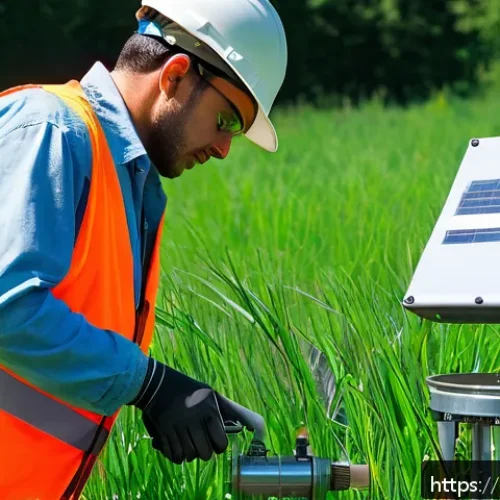
대기오염물질 종류 및 특성 정리 관련 이미지 2

Advocacy and Policy for Cleaner Skies

While personal actions are undeniably crucial, it’s clear that tackling air pollution effectively requires a much broader, collective effort that extends beyond our individual homes. I truly believe that advocating for stronger environmental policies and supporting organizations dedicated to clean air is where we can make the biggest waves and drive systemic change. Think about it: individual choices are powerful, but legislative action through robust regulations can have a monumental impact across entire regions. This means actively supporting politicians and initiatives that prioritize renewable energy sources, enforce stricter emissions standards for vehicles and industries, and invest in sustainable public transportation infrastructure. I’ve found that even just contacting local representatives or signing petitions can feel incredibly empowering because it amplifies your voice and shows that citizens are concerned. It’s about letting our voices be heard and demanding that our communities and governments prioritize the health of their citizens and the planet, rather than just economic growth at any cost. We’ve seen significant improvements in air quality in many regions precisely because of dedicated legislative action and public pressure, demonstrating that change is not only possible but achievable when we collectively demand it.

Embracing Sustainable Choices for a Healthier Planet

Beyond direct advocacy, our everyday choices, when multiplied by millions, can collectively drive significant change towards a healthier planet. I’ve personally tried to incorporate more sustainable habits into my life, and while it sometimes feels like a small drop in a vast ocean, I truly believe every drop counts and creates ripples. This could mean opting for public transportation, cycling, or walking instead of driving whenever feasible, especially for shorter distances, thus reducing your carbon footprint. It might involve supporting businesses that are genuinely committed to sustainable practices and transparently reducing their environmental impact, rather than just greenwashing. Even simple things like conserving energy at home by switching off lights and appliances, reducing waste through recycling and composting, and making conscious choices about the products we consume can collectively lessen the demand for energy and resources, thereby reducing pollutant emissions from manufacturing and transport. It’s a holistic approach, recognizing that our consumption patterns are intricately linked to environmental health. By making these mindful choices, we’re not just reducing our personal exposure to pollutants; we’re actively contributing to a cleaner, healthier environment for everyone, now and for future generations. It’s about being part of the solution, not just passively observing the problem and hoping someone else fixes it.

Advertisement

Decoding Air Quality Reports: What Those Numbers Really Mean

Understanding the Air Quality Index (AQI)

You know how sometimes you see those colorful numbers pop up on your weather app or news report, indicating the “Air Quality Index” or AQI? For a long time, I’d just glance at it, maybe see a green or yellow, and think, “Okay, seems fine,” without really understanding the implications. But once I actually took the time to understand what those numbers and colors *really* signify, it became a powerful tool for personal health management, just like checking the temperature. The AQI is essentially a standardized measure that tells you how clean or polluted your air is, and what associated health effects might be a concern for you and your family. It typically ranges from 0 to 500, with lower numbers representing better air quality. Green (0-50) is “Good,” yellow (51-100) is “Moderate,” and then it starts getting into orange (Unhealthy for Sensitive Groups, 101-150), red (Unhealthy, 151-200), purple (Very Unhealthy, 201-300), and even maroon (Hazardous, 301-500), each indicating increasingly unhealthy conditions. When I see an orange alert, I know to be cautious because my allergies might act up, or my breathing could feel a bit off. Red means everyone might start experiencing health effects, and that’s when I definitely limit strenuous outdoor activities. It’s like a traffic light for your lungs, and knowing how to read it is a fundamental step in protecting yourself and your family’s respiratory and cardiovascular health.

Key Pollutants Tracked and Their Significance

While the AQI gives us an overall, generalized picture, it’s also worth knowing which specific pollutants it’s tracking, as different pollutants have different health implications and originate from varied sources. The Environmental Protection Agency (EPA) in the US, for instance, focuses on five major air pollutants for the AQI: ground-level ozone, particulate matter (specifically PM2.5 and PM10), carbon monoxide, sulfur dioxide, and nitrogen dioxide. Each of these has its own unique story and impact. Ground-level ozone, as we discussed, is a powerful respiratory irritant that can inflame your airways. PM2.5 and PM10 are tiny particles that can get deep into your lungs and even bloodstream, potentially impacting cardiovascular health and causing systemic inflammation. Carbon monoxide is a silent killer because it reduces the amount of oxygen that can reach your vital organs and tissues – something I’ve always found particularly chilling due to its odorless and colorless nature. Sulfur dioxide contributes to respiratory issues and acid rain, while nitrogen dioxide is another respiratory irritant that also plays a crucial role in ozone formation. Understanding these key players helps paint a clearer picture of the specific risks present on any given day. It’s not just about “bad air”; it’s about *what* makes the air bad, which then informs your actions and helps you understand the bigger environmental narrative. For me, this deeper understanding has truly transformed my perception of air quality data from abstract numbers into actionable insights for a healthier life and greater environmental awareness.

Wrapping Up Our Journey

Well, my friends, we’ve journeyed through the intricate world of air pollution together. It’s truly an invisible challenge, isn’t it? But understanding these silent invaders, from the tiny particulate matter to ground-level ozone, and realizing their profound impact on our health and our planet, is the first powerful step. It can feel overwhelming, but remember, every bit of awareness we gain, and every mindful choice we make, contributes to a clearer, healthier future for all of us. Let’s keep breathing easier, together.

Advertisement

Actionable Insights for a Healthier You

Here are a few quick takeaways I’ve personally found incredibly helpful in my journey to breathe a little easier and smarter:

1. Make checking your local Air Quality Index (AQI) a daily habit, just like checking the weather. Apps like AirNow (for the US), or even your local weather app, provide real-time data that empowers you to adjust your outdoor plans, especially if you have sensitivities or plan strenuous activities. It’s seriously a game-changer for informed living.

2. Invest in a high-quality air purifier with a HEPA filter for your home, especially for bedrooms or living areas where you spend most of your time. I’ve personally noticed a significant reduction in my allergy symptoms since I started using one, and it provides a real sense of peace knowing the air inside is cleaner.

3. Practice smart ventilation! On days with good outdoor air quality, open your windows to create a cross-breeze and clear out indoor pollutants. Conversely, during high pollution events or wildfire smoke, keep windows closed and rely on your air conditioning with a good filter, or your air purifier, to keep indoor air clean.

4. Consider wearing a certified N95 or KN95 mask when outdoor air quality is poor, or if you’re in heavily trafficked areas for extended periods. While not always comfortable, it offers a tangible layer of protection against particulate matter, and I’ve certainly found it beneficial on particularly hazy days.

5. Become an advocate! Support local and national clean air initiatives and organizations. Your voice, combined with others, can drive policy changes for stricter emissions standards and promote renewable energy, ultimately leading to cleaner air for everyone in your community and beyond. It’s about collective impact!

Key Takeaways

Ultimately, the message is clear: air pollution is a complex, pervasive threat stemming from both human activities and natural events, profoundly impacting our health, ecosystems, and climate. It demands our awareness and action. By understanding the pollutants, monitoring air quality, making smart personal choices, and advocating for broader change, we can collectively work towards a future where cleaner, healthier air is a reality for everyone. Your daily choices truly make a difference.

Frequently Asked Questions (FAQ) 📖

Q: What exactly are the most common air pollutants we should be worried about, and how do they actually harm our bodies?

A: Oh, this is such a critical question, and it’s something I’ve personally dug into a lot for my family’s well-being! When we talk about air pollution, there are a few usual suspects that really dominate the headlines and health concerns.
The biggest one, by far, is “Particulate Matter,” or PM. You’ll often hear about PM2.5 and PM10. Think of PM2.5 as super-tiny particles, smaller than a human hair, that come from things like vehicle exhaust, industrial activities, wildfires, and even burning wood for heating.
These microscopic baddies are so small they can actually bypass our body’s natural defenses, dive deep into our lungs, and even sneak into our bloodstream.
From there, they can cause a whole host of issues, like making existing lung conditions such as asthma or COPD worse, increasing your risk of heart attacks and strokes, and even leading to lung cancer over time.
Honestly, it’s pretty scary how something invisible can do so much damage! Then there’s “Ozone” (O3), which, paradoxically, is good when it’s high up in the atmosphere protecting us from UV rays, but terrible when it’s at ground level.
Ground-level ozone is formed when pollutants from cars, industries, and other sources react with sunlight. Breathing it in can cause coughing, throat irritation, and chest pain, especially during exercise.
It’s particularly tough on people with respiratory conditions, making it harder for them to breathe and triggering asthma attacks. I remember one summer when the ozone levels were really high here in my city, and I could physically feel my throat getting scratchy just from being outside for a short while.
It really brings home how immediate these impacts can be! We also have “Nitrogen Dioxide” (NO2) and “Sulfur Dioxide” (SO2), often byproducts of burning fossil fuels from vehicles and industrial plants.
NO2 can inflame your airways and make you more susceptible to infections like the flu, while SO2 irritates your nose, throat, and lungs, worsening respiratory and cardiovascular problems.
And let’s not forget “Carbon Monoxide” (CO), an odorless, colorless gas that often comes from incomplete combustion, like faulty furnaces or vehicle exhaust.
This one is truly insidious because you can’t see or smell it, but it reduces the amount of oxygen reaching your organs and tissues, causing headaches, dizziness, and at high levels, it can even be fatal.
I always make sure our carbon monoxide detectors are working perfectly, it’s a simple check that offers such peace of mind!

Q: I hear a lot about indoor air pollution too. Is it really as bad as outdoor pollution, and what are the main culprits lurking in our homes?

A: That’s a fantastic question, and it’s one I get asked a lot! For a long time, I think many of us focused solely on the smog outside, but trust me, what’s happening indoors can be just as, if not more, concerning.
From my own experience, I was genuinely surprised to learn that indoor air can often be two to five times, and sometimes even up to eight times, more polluted than the air outside.
We spend so much of our lives inside our homes, offices, and other buildings – for many of us, it’s around 90% of our time! This means our exposure to indoor pollutants is a really big deal.
So, what are the main culprits? Well, it’s a mix of things we use daily and some hidden sources. “Household combustion devices” are a big one: things like gas stoves, fireplaces, woodstoves, and even unvented kerosene heaters can release carbon monoxide, nitrogen dioxide, and particulate matter.
I used to love the cozy ambiance of burning candles, but I quickly learned they can also contribute to particulate pollution! Then there are “Volatile Organic Compounds” (VOCs).
These are gases emitted from everyday items like paints, cleaning products, air fresheners, furniture, carpets, and even personal care products. Ever noticed that “new car smell” or the scent of a freshly painted room?
That’s often VOCs, and while they might smell new, they can irritate your eyes, nose, and throat, and in some cases, have more serious long-term health effects.
I’ve made a conscious effort to switch to low-VOC or natural cleaning products, and I really do feel a difference. “Biological pollutants” also play a significant role.
We’re talking about things like mold, dust mites, pet dander, and pollen that can build up in our homes. These can trigger allergies, asthma attacks, and other respiratory problems.
And, of course, “tobacco smoke” is a major indoor pollutant, containing numerous toxins and carcinogens that harm everyone exposed. The biggest issue with indoor air pollution is often “inadequate ventilation.” Without enough fresh air circulating, these pollutants just hang around, building up to unhealthy concentrations.
It’s why I always recommend opening windows when outdoor air quality permits, and investing in good air filters.

Q: Given all these hidden dangers, what are some practical, actionable steps we can take right now to protect ourselves and our families from air pollution, both indoors and out?

A: Okay, this is where we get practical, because knowing is only half the battle, right? I’ve spent years researching and trying different strategies, and what I’ve found is that even small, consistent actions can make a huge difference for our health and peace of mind.
First, for “outdoor pollution,” the simplest and most effective tip is to “stay informed.” I personally check my local air quality forecasts daily – apps like AirNow or even a quick Google search will give you the Air Quality Index (AQI) for your area.
When the AQI is high, especially for PM2.5 or ozone, I really limit my time outdoors. If I must go out, especially when levels are really bad (think wildfire smoke), I’ll wear a high-quality N95 mask, as cloth masks simply don’t cut it for those fine particles.
I also try to “avoid exercising outdoors” during peak pollution times, which are often mid-day and afternoon, or near busy roads where vehicle emissions are concentrated.
Instead, I opt for indoor workouts or schedule my outdoor activities for early mornings when the air is usually cleaner. Another great way to help locally is to “reduce your carbon footprint” by walking, biking, carpooling, or using public transport whenever possible.
And please, avoid burning wood or trash – it just adds to the problem! For “indoor air quality,” which is where we spend most of our time, there’s a lot we can do.
“Ventilation is key!” I make it a habit to “open windows and doors” to air out my home, especially after cooking or cleaning, but only when outdoor air quality is good.
If outdoor air quality is poor, keep those windows closed and rely on your HVAC system. Speaking of which, “change your air filters regularly” in your furnace or central air conditioning system.
I aim for every 1-3 months, and I always go for higher-MERV filters (MERV 11-13 is a good target) that can capture smaller particles. If you don’t have a central system, or want an extra boost, a “portable air purifier with a HEPA filter” can be a game-changer, especially in bedrooms or living areas.
I’ve seen such a noticeable improvement in our allergy symptoms since we started using one! Beyond that, “manage indoor sources.” If you have a gas stove, always use the exhaust fan when cooking.
Try to switch to “low-VOC paints and cleaning products,” and avoid air fresheners that just mask odors with more chemicals. “Vacuum regularly” with a HEPA-filtered vacuum to trap dust, pet dander, and other allergens.
And if you have a fireplace or wood stove, ensure it’s properly maintained and vented. These steps might seem small individually, but together, they create a much healthier breathing environment for you and your loved ones.
It’s about being proactive, not passive, in protecting what’s most important!

Advertisement