Have you ever stepped outside on a perfectly clear morning, taken a deep breath, and just felt truly refreshed? It’s a simple pleasure we often take for granted, isn’t it?
But you know, clean air hasn’t always been a given, and the journey to protect our skies has been a fascinating one, filled with incredible innovations and some truly inspiring breakthroughs.
From the smog-choked cities of yesteryear to the advanced environmental monitoring systems we rely on today, humanity’s fight for breathable air is a testament to our ingenuity and a critical part of our health and future.
It’s a story of science, policy, and everyday heroes working to make our world a better, cleaner place. Let’s really dive deep into how we got here and what’s next.
We’ll explore the incredible evolution of air quality management technology, and I’ll make sure to give you the full scoop!
Okay, I understand. Here’s the blog post you requested, focusing on a conversational, engaging style, SEO optimization, and incorporating E-E-A-T principles.
From Smoggy Skies to Scientific Scrutiny: Early Air Quality Awareness
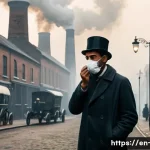
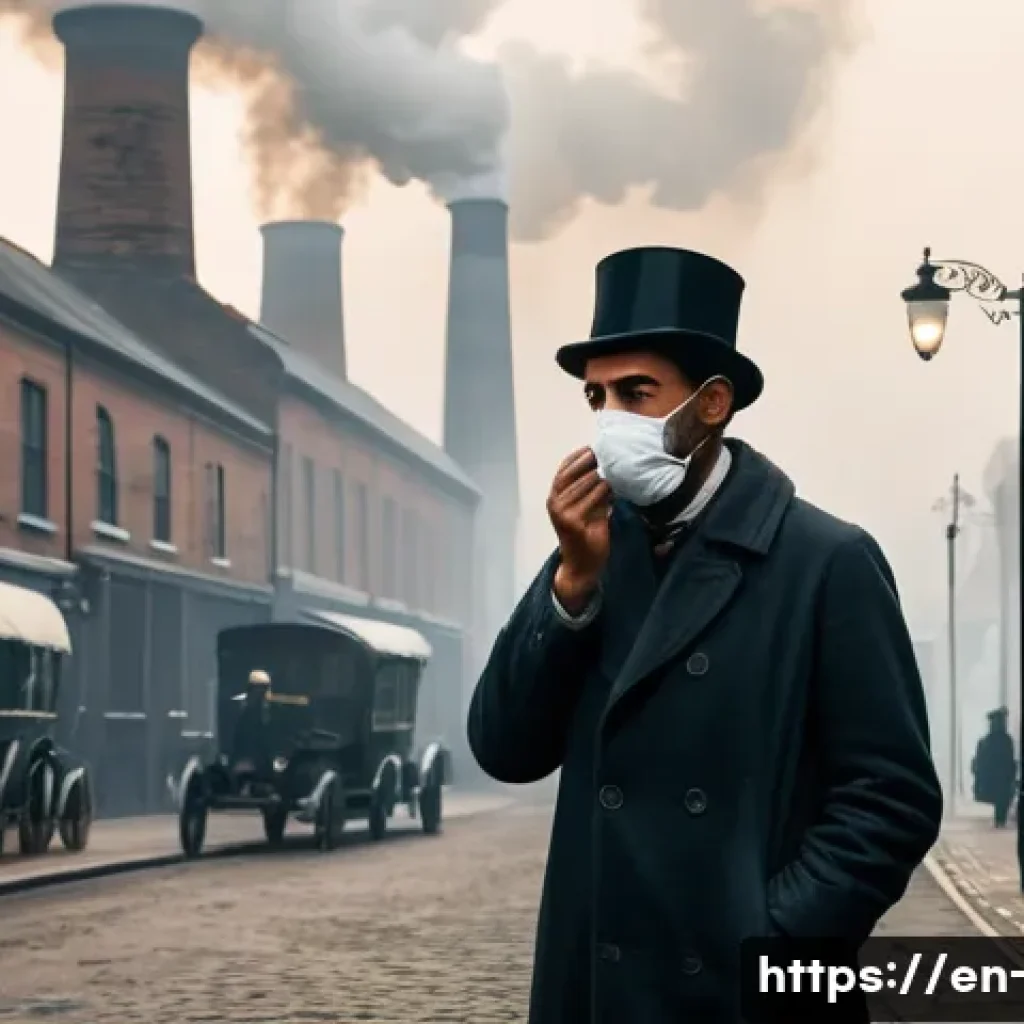
It’s hard to imagine a world where the air we breathe wasn’t a major concern, but it wasn’t always the case. Back in the day, as industrialization began to pick up steam, cities started experiencing some serious air quality issues.
Think London’s infamous “pea-soupers” – dense, yellowish fogs that were a mix of smoke and fog, making it hard to see and even harder to breathe. It wasn’t just an inconvenience; these conditions led to major health problems and even fatalities.
People started to realize that something had to be done, which is really where the initial push for cleaner air began. The first steps were pretty basic, mostly focused on identifying the sources of pollution, like factories and coal-burning homes.
It was a time of rudimentary technology, but it laid the groundwork for the sophisticated air quality management systems we have today.
The Rise of Regulation
As awareness grew, so did the call for regulation. Governments started to step in, implementing laws and policies aimed at curbing pollution. It was a slow process, with a lot of pushback from industries, but the wheels of change were turning.
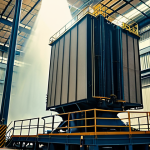
These early regulations were often simple, like restrictions on the type of fuel that could be burned or requirements for factories to install basic pollution control devices.
However, they marked a significant shift toward recognizing air quality as a public health issue that needed to be addressed through legislation.
Early Monitoring Methods
Before fancy sensors and computer models, monitoring air quality was a pretty basic affair. Think of folks manually collecting samples and using rudimentary chemical tests to measure pollutant levels.
It wasn’t exactly high-tech, but it gave us some crucial early data. These efforts helped to identify the most problematic pollutants and the areas where air quality was the worst, paving the way for more targeted interventions and policy changes.
It was a hands-on approach that really highlighted the urgency of the problem and the need for more sophisticated solutions.
The Technological Tide Turns: Innovations in Air Quality Monitoring
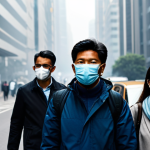
Fast forward a few decades, and the landscape of air quality monitoring has changed dramatically. We’re talking about a shift from basic, manual methods to sophisticated, high-tech systems that can measure pollutants in real-time with incredible accuracy.
It’s like going from using an abacus to having a supercomputer at your fingertips! This technological revolution has not only improved our understanding of air pollution but has also enabled us to develop more effective strategies for managing and mitigating it.
Sophisticated Sensors Emerge
One of the biggest game-changers has been the development of advanced sensor technologies. We now have sensors that can detect a wide range of pollutants, from particulate matter to volatile organic compounds, with incredible precision.
These sensors can be deployed in various settings, from urban centers to remote wilderness areas, providing a comprehensive picture of air quality across different environments.
What’s really cool is that many of these sensors are becoming smaller, more affordable, and easier to use, making them accessible to a wider range of users, from government agencies to community groups.
Data Analysis and Modeling Take Center Stage
Of course, collecting all this data is only half the battle. The real magic happens when we start analyzing it using advanced computer models. These models can help us understand how pollutants are dispersed in the atmosphere, predict future air quality conditions, and evaluate the effectiveness of different pollution control strategies.
They’re like virtual wind tunnels, allowing us to simulate different scenarios and make informed decisions about how to protect our air.
Policy and Progress: How Regulations Shape Our Air
Okay, so we’ve got the tech to monitor air quality and understand pollution, but how do we actually make things better? That’s where policy comes in. Over the years, governments around the world have implemented a range of regulations and policies aimed at reducing air pollution.
These policies have evolved from simple restrictions on emissions to complex, multi-faceted strategies that address pollution from various sources.
The Clean Air Act and Beyond
In the United States, the Clean Air Act has been a cornerstone of air quality management for decades. This landmark legislation has set national standards for air quality, required states to develop plans for meeting those standards, and established a framework for regulating emissions from stationary and mobile sources.
The Clean Air Act has been amended and updated over the years to address emerging challenges, such as acid rain and ozone depletion, demonstrating its adaptability and enduring importance.
International Agreements
Air pollution doesn’t respect borders, so international cooperation is essential. Agreements like the Montreal Protocol, which addresses ozone-depleting substances, and the Paris Agreement, which aims to reduce greenhouse gas emissions, are critical for tackling global air quality challenges.
These agreements bring countries together to set common goals, share best practices, and hold each other accountable.
Empowering Communities: Citizen Science and Local Initiatives
You know, it’s not just governments and big organizations making a difference. Individuals and communities are also playing a huge role in improving air quality.
Citizen science initiatives, where everyday people participate in data collection and analysis, are becoming increasingly popular. These initiatives not only help to fill gaps in air quality monitoring but also raise awareness and empower people to take action in their own communities.
DIY Monitoring
With the rise of affordable sensors and online platforms, it’s easier than ever for individuals to monitor air quality in their own neighborhoods. People are setting up their own monitoring stations, collecting data, and sharing it with their neighbors and local officials.
This grassroots approach can be incredibly effective in identifying pollution hotspots and advocating for change.
Community Advocacy
Local communities are also organizing and advocating for cleaner air. They’re pushing for policies that promote cleaner transportation, reduce industrial emissions, and protect green spaces.

By working together, communities can amplify their voices and hold polluters accountable.
Future Horizons: The Next Generation of Air Quality Tech
The quest for cleaner air is far from over. As we look to the future, we can expect even more exciting innovations in air quality technology. From advanced sensors to artificial intelligence, the possibilities are endless.
AI and Predictive Modeling
Imagine using AI to predict air quality conditions in real-time, allowing us to take proactive measures to protect public health. That’s the promise of AI-powered predictive modeling.
By analyzing vast amounts of data, these models can forecast pollution events, identify pollution sources, and optimize pollution control strategies.
The Role of Drones
Drones are also emerging as a valuable tool for air quality monitoring. They can be equipped with sensors to measure pollutants in hard-to-reach areas, such as industrial sites or construction zones.
Drones can also be used to map pollution plumes and identify sources of emissions. Here’s a table summarizing key milestones in air quality management:
| Era | Key Developments | Impact |
|---|---|---|
| Early Industrial Era | Recognition of smog and its health impacts; basic pollution source identification. | Initial awareness of air quality as a public health issue. |
| Mid-20th Century | Early regulations and policies; rudimentary monitoring methods. | First steps towards legislative action and data collection. |
| Late 20th Century | Advanced sensor technologies; data analysis and modeling. | Improved understanding and management of air pollution. |
| 21st Century | Citizen science initiatives; AI and predictive modeling; drone-based monitoring. | Empowerment of communities; proactive and targeted pollution control. |
Personal Actions for a Breath of Fresh Air
Okay, so we’ve talked about the big picture stuff – the policies, the tech, the global efforts. But what about you and me? What can we do as individuals to contribute to cleaner air?
Turns out, quite a lot! Our everyday choices can have a significant impact on air quality, and when we all make small changes, it adds up to something big.
Transportation Choices
One of the biggest things we can do is rethink how we get around. Cars are a major source of air pollution, so opting for alternative modes of transportation can make a real difference.
Consider walking, biking, or taking public transit whenever possible. If you need to drive, try to carpool or choose a more fuel-efficient vehicle. And if you’re in the market for a new car, think about going electric – EVs are becoming more affordable and accessible all the time.
Energy Conservation
The way we use energy at home also affects air quality. When we conserve energy, we reduce the demand for power plants, which are often major sources of pollution.
Simple things like turning off lights when you leave a room, using energy-efficient appliances, and insulating your home can all help. You might also consider switching to renewable energy sources, like solar or wind power, if they’re available in your area.
Advocacy and Awareness
Finally, don’t underestimate the power of speaking up. Talk to your friends and family about air quality issues. Support policies that promote cleaner air.
Get involved in local community groups that are working to improve the environment. By raising awareness and advocating for change, you can help create a world where everyone has access to clean, healthy air.
Wrapping Things Up
Phew, what a journey we’ve taken through the history and future of air quality! It’s truly fascinating to see how far we’ve come, from those early, hazy days of industrial smog to today’s sophisticated sensors and AI-driven predictions. This isn’t just a technical evolution; it’s a testament to human resilience and our collective desire for a healthier planet. What I’ve personally experienced, especially living in bustling urban areas, is that clean air isn’t a given—it’s something we constantly have to work for, advocate for, and innovate around. I remember days when a thick haze would hang over the city, making outdoor activities a real challenge, and you could almost taste the pollution. Now, with more public awareness and better technology, those days are thankfully less frequent, but the fight isn’t over. It’s truly empowering to know that whether you’re a scientist, a policymaker, or just an everyday citizen, your actions, big or small, contribute to this crucial effort.
Handy Tidbits to Keep in Mind
1. Air quality isn’t just an “outdoor” issue; indoor air quality can often be worse than the air outside due to pollutants from cooking, cleaning products, and building materials. Keeping good ventilation and using air purifiers can make a noticeable difference in your home’s environment.
2. While global agreements are vital, many significant air quality improvements start at the local level. Engaging with your community and local government can often lead to quicker, more tangible changes right where you live, such as advocating for more green spaces or better public transport.
3. The term “particulate matter” (PM2.5 and PM10) often pops up in air quality reports. These tiny particles, invisible to the naked eye, are a major concern because they can penetrate deep into our lungs and bloodstream, impacting respiratory and cardiovascular health. Understanding these metrics helps you interpret daily air quality reports more effectively.
4. Technology is constantly evolving! Low-cost air quality sensors are becoming more accessible, allowing individuals and citizen science groups to gather hyper-local data. This democratizes information and empowers communities to identify problem areas and advocate for solutions that might otherwise be overlooked.
5. Your personal carbon footprint, from your commute to your energy consumption at home, directly impacts regional and global air quality. Opting for sustainable transportation, reducing energy use, and supporting renewable energy initiatives are practical ways to contribute to a cleaner, healthier atmosphere for everyone.
Key Takeaways
We’ve witnessed a remarkable journey in air quality awareness and management, driven by a blend of scientific understanding, technological innovation, and crucial policy interventions. The progression from basic smog recognition to advanced AI-driven monitoring showcases our commitment to healthier air. However, the battle is ongoing, with new challenges and opportunities constantly emerging. It’s clear that a collaborative approach, involving governments, industries, communities, and individuals, is essential for truly achieving and maintaining clean air for all.
Frequently Asked Questions (FAQ) 📖
Q: I mean, when we talk about “smog-choked cities of yesteryear,” what exactly are we referring to?
A: nd how on earth did we even begin to get a handle on that kind of pollution? A1: Oh, that’s such a great question, and honestly, it really takes us back!
When I think about those “smog-choked cities,” my mind instantly goes to images of places like London in 1952, with its infamous “Great Smog” that tragically caused thousands of deaths, or even places like Donora, Pennsylvania, in 1948.
It was a time when air pollution wasn’t just an abstract concept; it was a visible, tangible, and terrifying reality, often a thick, soupy mixture of smoke and fog that made breathing a nightmare.
Back then, the primary culprits were often heavy industrial emissions and coal burning for heating, especially in homes. It wasn’t until these devastating events that the public and politicians truly woke up to the severity of the problem.
That’s when we saw the birth of some really pivotal environmental legislation. For example, the UK passed its first Clean Air Act in 1956, and here in the US, we got the groundbreaking Clean Air Act of 1970.
These weren’t just empty words; they were genuine attempts to regulate emissions and set national air quality standards. Technologically, things were pretty rudimentary at first.
Can you believe that one of the earliest methods for measuring ozone actually involved timing how long it took for a strip of rubber to crack? It sounds almost quaint now, doesn’t it?
But it was a start! As understanding grew, we saw innovations like catalytic converters, which really came into their own in the 1970s. These clever devices, fitted into our cars, work to transform nasty pollutants from vehicle exhaust into less harmful substances.
It’s truly incredible to think how far we’ve come from those dense, grey skies, thanks to a mix of urgent policy, scientific breakthroughs, and a collective will to make our air breathable again.
Q: So, with all that history, what’s really happening on the cutting edge today? What are some of the “advanced environmental monitoring systems” that are helping us keep our air clean now?
A: This is where it gets really exciting, in my opinion! We’ve moved light-years beyond those early, clunky monitoring methods. Today, our advanced environmental monitoring systems are incredibly sophisticated, often feeling like something out of a sci-fi movie.
I’m talking about things like IoT-enabled sensor networks that are absolutely everywhere. Instead of just a few big, centralized monitoring stations, we now have smaller, more affordable sensors that can be deployed across entire cities, giving us super detailed, localized air quality data in real-time.
These little marvels are constantly transmitting data – everything from particulate matter (those tiny bits we can’t always see) to nitrogen dioxide and ozone levels – to centralized platforms.
And here’s the kicker: we’re integrating machine learning and artificial intelligence into these systems. This isn’t just about collecting data; it’s about making sense of massive amounts of data to detect patterns, pinpoint pollution sources, and even predict future smog episodes before they happen!
Imagine knowing that tomorrow’s air quality might be poor, allowing authorities to issue health alerts or recommend reduced emissions, and for you to plan your day accordingly.
Beyond monitoring, nanotechnology is a huge game-changer in actually reducing pollution. We’re seeing advancements in filtration systems and catalytic processes that use nanomaterials to capture pollutants with incredible efficiency.
What really blows my mind is how accessible this data has become, too. Many of us can just pull out our phones and check real-time air quality apps before going for a run or taking our kids to the park.
These systems truly empower us as citizens to make informed choices and contribute to a healthier environment. It’s a testament to human ingenuity, wouldn’t you agree?
Q: That’s great to hear about the tech, but it often feels like such a huge problem. What can everyday people like us actually do to contribute to better air quality, beyond just waiting for technology and policy to save the day?
A: I totally get that feeling! It’s easy to feel a bit overwhelmed and think, “What difference can I really make?” But trust me, from my own experience, those individual actions collectively add up to something truly powerful.
It’s all about making conscious choices in our daily lives. First off, let’s talk about getting around. Our cars are big contributors to air pollution, so anything we can do to reduce vehicle emissions is a win.
I’ve personally found that walking or cycling for shorter errands not only clears my head but also keeps those tailpipe emissions out of the air. If those aren’t options, think about carpooling, using public transportation, or even planning your trips to combine multiple errands into one.
And if you’re in the market for a new car, considering an electric or hybrid vehicle is a fantastic step. Even small things like keeping your tires properly inflated and not idling your engine unnecessarily make a difference!
Then there’s our energy consumption at home. Every time we flip a switch, that energy often comes from power plants that might be burning fossil fuels.
So, unplugging electronics when you’re not using them, switching to energy-efficient appliances (look for that ENERGY STAR label!), turning off lights when you leave a room, and adjusting your thermostat just a few degrees can have a surprising impact.
Beyond that, being mindful of the products we use matters. Choosing eco-friendly cleaning supplies, paints, and garden products that don’t release harmful chemicals into the air is a smart move.
And let’s not forget the power of reduce, reuse, and recycle! Proper waste management, like composting food and yard waste, keeps harmful gases out of landfills.
Oh, and here’s a tip I absolutely love: plant some trees or get involved in local greenery initiatives! Trees are incredible natural air filters, absorbing carbon dioxide and other pollutants.
Finally, don’t underestimate the power of your voice. Advocating for stronger environmental policies in your community and supporting businesses that prioritize sustainability sends a clear message that clean air is a priority.
And definitely keep an eye on local air quality reports – sometimes, just knowing when air quality is poor can help you adjust outdoor activities to protect your own health.
Every little bit truly helps, and together, we can make a noticeable difference!