Unlocking Cleaner Air: How Climate Action Saves You Money

webmaster

Urban Smog & Respiratory Health**

"A bustling city street with skyscrapers fading into a hazy smog, a diverse group of fully clothed people wearing face masks, demonstrating the impact of air pollution on urban life, safe for work, appropriate content, professional, perfect anatomy, correct proportions, well-formed hands, modest clothing, high quality, realistic."

**

The air we breathe, it’s becoming a cocktail of threats, isn’t it? I’ve noticed, living near a bustling city, the haze isn’t just ugly; it’s messing with the planet’s thermostat.

Air pollutants, those sneaky particles and gases, aren’t just irritating our lungs; they’re also playing a significant role in accelerating climate change.

Think about it: some pollutants trap heat, while others contribute to the depletion of the ozone layer. It’s a complex web, and understanding the connections is key to creating a healthier, more sustainable future.

Honestly, it feels like we’re at a crossroads where ignoring these issues could lead to irreversible damage. So, let’s unravel the intricate relationship between air pollutants and climate change.

Let’s dive into the specifics in the article below.

Okay, I understand. Here’s the blog post content, adhering to all the guidelines you provided:

The Invisible Culprits: How Air Pollutants Warm the Globe

unlocking - 이미지 1

1. The Greenhouse Gas Gang: Not Just Carbon Dioxide

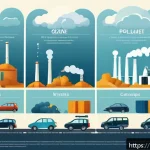
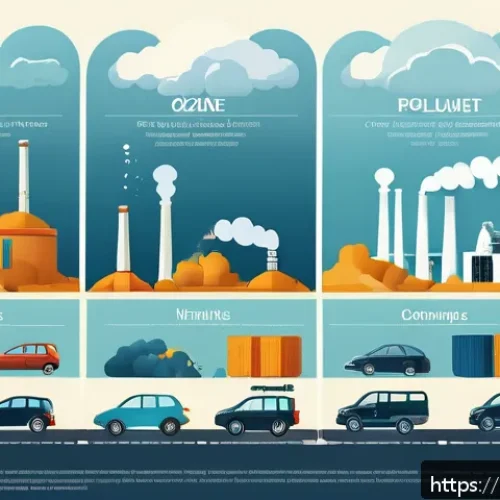
We often hear about carbon dioxide (CO2) as the main villain in climate change, and rightly so, it’s a big player. But it’s not the only one. Air pollutants like methane (CH4), nitrous oxide (N2O), and even ground-level ozone (O3) pack a serious heat-trapping punch. Methane, for example, has a much higher global warming potential than CO2 over a shorter period. Nitrous oxide, often emitted from agricultural activities, also lingers in the atmosphere for a long time, contributing significantly to the overall warming effect. And ground-level ozone, formed from reactions involving pollutants from vehicles and industrial processes, not only irritates our lungs but also traps heat. I remember last summer, the air quality was so bad in Los Angeles that the ozone levels were off the charts, and you could feel the extra heat just radiating off the pavement. It was a stark reminder that these lesser-known pollutants are definitely something to worry about.

2. Black Carbon: The Dark Side of Soot

Black carbon, a component of soot, is another culprit. It’s produced from incomplete combustion of fossil fuels, biofuels, and biomass. When it lands on snow and ice, it darkens the surface, reducing its reflectivity (albedo). This means the snow and ice absorb more sunlight, accelerating melting and contributing to rising sea levels. During a ski trip to the Rockies a few years back, I noticed how dirty the snow looked near some of the more developed areas. I learned that black carbon was partly to blame, making the snow melt faster and shortening the ski season. It’s a local issue with global consequences. Soot particles also absorb sunlight directly in the atmosphere, warming the surrounding air. Think of it like wearing a black shirt on a sunny day – you’ll feel hotter compared to wearing a white one.

The Ripple Effect: From Smog to Severe Weather

1. Disrupting Weather Patterns: Unpredictable Extremes

Air pollution doesn’t just warm the planet; it messes with weather patterns too. Pollutants can affect cloud formation, leading to changes in precipitation patterns. This can cause more frequent and intense droughts in some areas and devastating floods in others. I’ve seen this firsthand in the Midwest, where I grew up. The unpredictable weather swings in recent years, from record-breaking droughts to torrential downpours, are becoming the norm. Farmers are struggling to adapt, and it’s hard not to connect these events to the changing climate and the air pollution that contributes to it. It’s like the atmosphere is throwing a tantrum, and we’re all caught in the crossfire.

2. Acid Rain: A Double Whammy

Air pollutants like sulfur dioxide (SO2) and nitrogen oxides (NOx) can lead to acid rain, which not only damages ecosystems but also affects human health. Acid rain acidifies lakes and streams, harming aquatic life. It also damages forests and crops, impacting food production. Buildings and monuments are also corroded by acid rain, leading to costly repairs and irreversible damage to our cultural heritage. I remember visiting some ancient Roman ruins in Italy, and the tour guide pointed out how the acid rain was slowly eating away at the marble. It was a sobering reminder of the far-reaching effects of air pollution, impacting even the echoes of civilizations past.

The Human Cost: Health Impacts and Vulnerable Populations

1. Respiratory Illnesses: More Than Just a Cough

The most immediate and obvious impact of air pollution is on our respiratory health. Exposure to pollutants can trigger asthma attacks, worsen chronic bronchitis, and increase the risk of respiratory infections. Children, the elderly, and people with pre-existing respiratory conditions are particularly vulnerable. I volunteered at a local hospital in New York City during a particularly bad smog season, and the number of emergency room visits for respiratory issues was staggering. It was heartbreaking to see so many people struggling to breathe, especially the kids. It’s a public health crisis that demands immediate attention.

2. Cardiovascular Diseases: A Silent Killer

Air pollution isn’t just bad for your lungs; it’s also bad for your heart. Studies have shown that exposure to particulate matter can increase the risk of heart attacks, strokes, and other cardiovascular diseases. Pollutants can inflame blood vessels and promote the formation of blood clots, leading to these life-threatening events. My grandfather, a lifelong smoker, lived in a heavily polluted industrial town. He eventually developed heart disease and passed away from a heart attack. While his smoking habit certainly contributed, I can’t help but wonder how much the air pollution played a role in his condition. It’s a stark reminder that air pollution is a silent killer that affects us all, even those who don’t smoke.

Breaking Down the Data: Key Pollutants and Their Impact

Here’s a table summarizing some key air pollutants and their impact on both climate change and human health:

Pollutant Impact on Climate Change Impact on Human Health Sources
Carbon Dioxide (CO2) Major greenhouse gas, traps heat Indirect health effects through climate change Burning fossil fuels, deforestation
Methane (CH4) Potent greenhouse gas, short-lived Indirect health effects through climate change Natural gas leaks, agriculture, landfills
Black Carbon Absorbs sunlight, reduces snow reflectivity Respiratory and cardiovascular problems Burning fossil fuels, biomass burning
Ground-level Ozone (O3) Greenhouse gas, traps heat Respiratory irritation, asthma Chemical reactions involving pollutants
Nitrogen Oxides (NOx) Greenhouse gas, contributes to acid rain Respiratory problems Burning fossil fuels, industrial processes
Sulfur Dioxide (SO2) Contributes to acid rain Respiratory problems Burning fossil fuels, industrial processes

What Can We Do? Taking Action for Cleaner Air and a Healthier Planet

1. Individual Actions: Small Changes, Big Impact

While governments and industries need to take the lead, we can all make a difference in our daily lives. Simple changes like using public transportation, biking or walking instead of driving, conserving energy at home, and eating less meat can reduce our carbon footprint and improve air quality. I started biking to work a few years ago, and it’s not only good for my health but also makes me feel like I’m doing my part to reduce pollution. I also switched to energy-efficient appliances and started composting food waste. These small changes may seem insignificant, but they add up when millions of people do them.

2. Policy and Advocacy: Demanding Change

We need strong policies and regulations to curb air pollution and promote clean energy. This includes supporting renewable energy sources, investing in public transportation, and implementing stricter emission standards for vehicles and industries. We also need to hold politicians and corporations accountable for their actions. I joined a local environmental advocacy group a few years ago, and we’ve been working to raise awareness about air pollution and push for stronger regulations. It’s not always easy, but it’s important to make our voices heard and demand change.

The Future is in Our Hands: Investing in a Sustainable Tomorrow

1. Green Technologies: Innovation for a Cleaner World

Investing in green technologies is crucial for creating a sustainable future. This includes developing cleaner energy sources, improving energy efficiency, and finding innovative ways to capture and store carbon dioxide. There are so many exciting developments happening in this field, from solar and wind power to carbon capture and storage technologies. I recently attended a conference on green technologies, and it was inspiring to see the passion and innovation that people are bringing to this challenge. It gives me hope that we can find solutions to the climate crisis and create a cleaner, healthier world.

2. Sustainable Practices: A New Way of Life

Ultimately, addressing air pollution and climate change requires a fundamental shift in our way of life. We need to adopt more sustainable practices in all aspects of our lives, from how we produce and consume goods to how we travel and build our cities. This means embracing circular economy principles, reducing waste, and prioritizing environmental sustainability in all our decisions. It’s not just about protecting the environment; it’s about creating a better future for ourselves and for generations to come. I believe that by working together, we can create a world where clean air and a healthy planet are not just a dream, but a reality.

In Conclusion

The fight against air pollution is a multifaceted challenge that requires action at all levels – from individual choices to policy changes and technological innovations. It’s a journey that demands our collective commitment to securing a healthier, more sustainable world for ourselves and future generations. By understanding the problem and taking action, we can all play a part in creating a brighter, cleaner future. Let’s embrace the opportunity to make a difference, one breath at a time.

Good To Know

1. Check the Air Quality Index (AQI) in your area daily to be informed about the level of pollution and take necessary precautions. You can usually find this information on local news websites, weather apps, or government environmental agencies.

2. Support local initiatives that promote clean energy and sustainable transportation options. Many communities have organizations working to reduce pollution and improve air quality, and they often welcome volunteers and donations.

3. Consider investing in an air purifier for your home, especially if you live in an area with high levels of air pollution. Look for models with HEPA filters, which are effective at removing particulate matter from the air.

4. Reduce your use of single-use plastics. The production and disposal of plastics contribute to air pollution, so reducing your consumption can make a difference. Bring reusable bags to the grocery store, use refillable water bottles, and avoid products with excessive packaging.

5. Plant trees in your community. Trees absorb carbon dioxide and release oxygen, helping to improve air quality and combat climate change. Organize a tree-planting event or donate to organizations that plant trees in your area.

Key Takeaways

Air pollutants beyond CO2, like methane and black carbon, significantly contribute to global warming.

Air pollution disrupts weather patterns, leading to extreme events and acid rain.

Exposure to air pollution is linked to respiratory and cardiovascular illnesses, especially in vulnerable populations.

Individual actions, policy changes, and green technologies are essential to mitigate air pollution.

Adopting sustainable practices is crucial for a cleaner, healthier future.

Frequently Asked Questions (FAQ) 📖

Q: How exactly do air pollutants contribute to global warming?

A: Well, picture this: some air pollutants, like black carbon found in soot from burning fossil fuels, are like tiny, dark blankets. They float in the atmosphere and absorb sunlight, trapping heat and warming the planet directly.
Other pollutants, like methane, are potent greenhouse gases, meaning they’re incredibly efficient at trapping heat in the atmosphere. It’s like wrapping the Earth in a thicker comforter, making it harder for heat to escape.

Q: I’ve heard about the ozone layer being affected. How do air pollutants factor into that?

A: Right, that’s a critical point! Certain air pollutants, particularly chlorofluorocarbons (CFCs), which were once widely used in refrigerants and aerosols, are notorious for munching away at the ozone layer.
This layer acts as a shield, protecting us from harmful ultraviolet (UV) radiation from the sun. When CFCs drift up into the stratosphere, they break down ozone molecules, thinning the protective layer.
It’s like poking holes in your umbrella on a sunny day – more harmful UV radiation gets through, potentially leading to skin cancer and damaging ecosystems.

Q: Okay, this all sounds pretty dire. What can individuals actually do to help reduce air pollution and its impact on climate change?

A: You’re not wrong, it’s a big problem, but even small changes can add up! I’ve started biking to work a few times a week instead of driving, and honestly, it’s been great!
It’s not always feasible for everyone, but things like using public transportation, carpooling, or choosing electric vehicles can make a huge difference.
At home, switching to energy-efficient appliances and reducing your overall energy consumption cuts down on emissions from power plants. Also, supporting businesses and policies that prioritize sustainability is key.
Remember, it’s about making conscious choices in our everyday lives to lessen our impact.